

Best Trade Compliance Platform for DTC Brands and Freight Forwarders
Global trade compliance has become one of the most urgent operational challenges facing direct-to-consumer brands and freight forwarders in 2026. Between the suspension of de minimis eligibility, rapidly shifting Section 232 tariff rates, and the FY2027 federal budget proposing $136 million to modernize CBP's Automated Commercial Environment, the compliance landscape is more complex than ever. Choosing the right trade compliance platform is no longer optional. It is the difference between smooth customs clearance and shipments stuck at the border. This guide compares the key features DTC brands and freight forwarders should look for and explains why an AI-powered approach is the smartest path forward.
Why Trade Compliance Matters More in 2026
Trade compliance is the process of ensuring that imported and exported goods meet all regulatory requirements imposed by customs authorities. In the United States, that means accurate HTS classification, proper duty calculation, correct country of origin declarations, and timely filing of entry documents with U.S. Customs and Border Protection (CBP).
The regulatory environment is moving faster than any team can manually track. The FY2027 budget proposal includes $136 million for ACE modernization, the same system that processes tariff payments and IEEPA refunds. CBP's Forced Labor program budget is set to nearly double from $18 million to $34 million. Classification errors and valuation discrepancies are getting more scrutiny, not less.
For businesses that rely on cross-border shipping, whether you are a DTC brand fulfilling international orders or a freight forwarder managing entries for dozens of clients, the stakes are high. A single misclassification can trigger seized shipments, financial penalties, and full audits.
Unique Compliance Challenges for DTC Brands
Direct-to-consumer brands face a compliance environment that barely existed five years ago. Product classification, country of origin documentation, and duty liability are now central operational concerns for brands that had little reason to think about customs in detail just a few years ago, as Global Trade Magazine recently noted.
The De Minimis Collapse
The global suspension of Section 321 de minimis eligibility has fundamentally changed unit economics for cross-border ecommerce. Under the old model, shipments under $800 entered the U.S. duty-free. In 2026, every parcel is subject to duties and formal entry requirements. For a brand shipping 50 orders per day at a $50 average order value, the total cost to clear customs on a single order can reach $80 when you factor in brokerage fees, effectively doubling the product cost before last-mile delivery.
HTS Classification at Scale
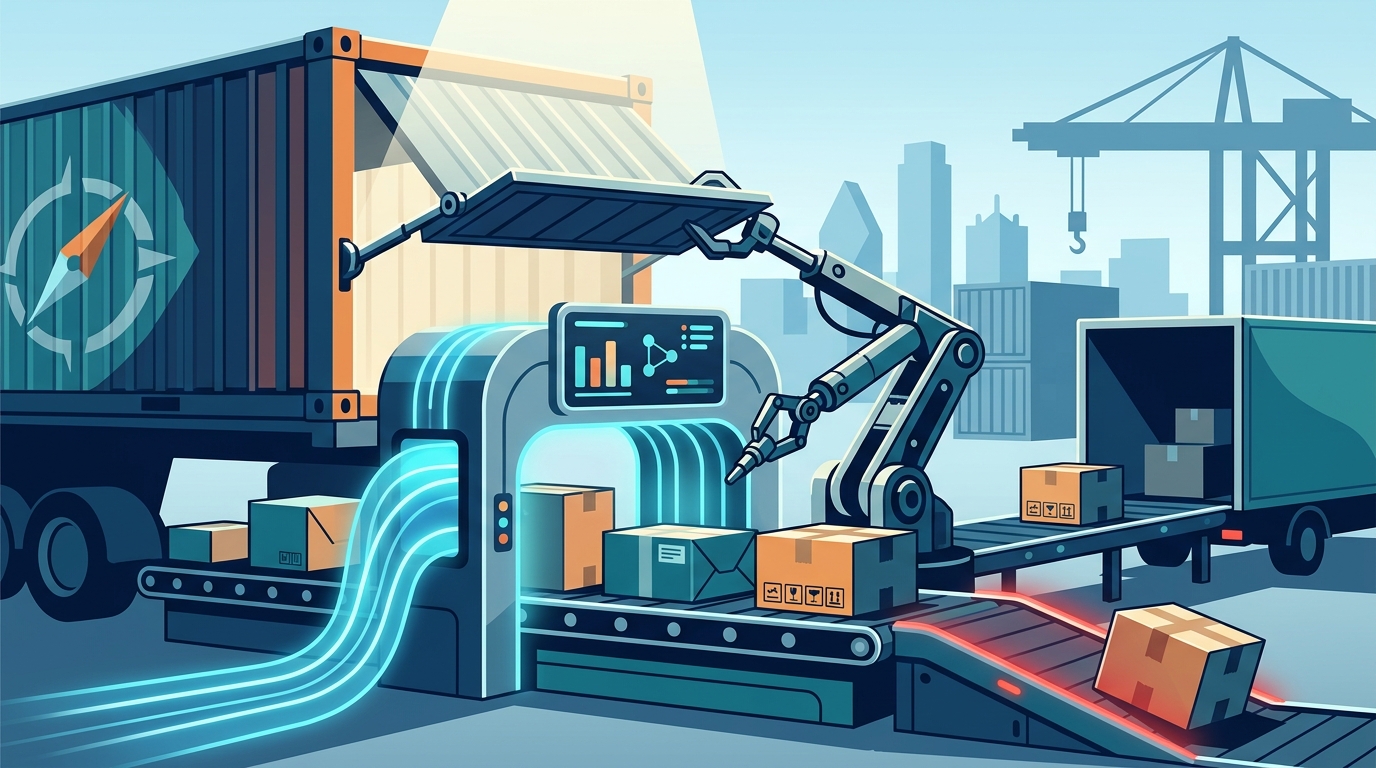
DTC brands with hundreds of SKUs need accurate HTS code classification across every product. Getting this wrong means overpaying duties or, worse, triggering CBP enforcement actions. Manual spreadsheet tracking simply cannot keep pace with how frequently tariff codes shift.
What Freight Forwarders Need From a Compliance Platform
Freight forwarders operate in a different but equally demanding environment. They manage entries on behalf of multiple importers, each with distinct product lines, origin countries, and compliance requirements.
Real-Time Regulatory Tracking
Section 232 tariff rates changed multiple times in 2025 and 2026. Chapter 99 codes shifted weekly during the IEEPA period. Forwarders who manually track CSMS messages and Federal Register notices are missing things. A modern compliance platform must surface regulatory changes in real time, before the entry gets filed.
Multi-Client Scalability
A freight forwarder filing entries for 50 importers needs a platform that handles customs clearance workflows at scale, with automated document generation, bond management, and duty calculations across diverse product categories.
Feature Comparison: What to Look For
When evaluating trade compliance platforms, DTC brands and freight forwarders should prioritize the following capabilities. A compliance platform is a software system that automates regulatory workflows such as tariff classification, duty calculation, and customs documentation to reduce manual effort and minimize errors.
| Feature | Why DTC Brands Need It | Why Freight Forwarders Need It |
|---|---|---|
| AI-Powered HTS Classification | Accurate codes across hundreds of SKUs | Rapid classification for diverse client catalogs |
| Real-Time Tariff Updates | Avoid overpaying on rapidly changing duty rates | File entries with current rates, not outdated ones |
| Duty Calculator | Landed cost visibility for pricing decisions | Accurate quotes and cost estimates for clients |
| Customs Bond Management | Continuous bond procurement and tracking | Multi-client bond oversight |
| ISF and Entry Filing | Compliant filing without customs expertise | Automated filings at volume |
| API Integrations | Connect to Shopify, ERP, and fulfillment tools | Connect to TMS and carrier systems |
| Licensed Customs Brokers | Expert guidance on complex entries | Broker support for edge cases and audits |
The AI Advantage in Customs Compliance
An AI-powered trade compliance platform is a system that uses machine learning and real-time data to automate tariff classification, flag regulatory changes, and reduce human error in customs filings. This matters because the velocity of change in trade policy has made manual processes untenable.
Consider the facts: CBP is investing in the infrastructure that collects tariffs, processes entries, and issues refunds. The FY2027 budget signals more staff, more enforcement capacity, and more scrutiny across the board. An audit of entries filed by outside brokers found an average error rate of 20%, meaning one in five entries contained mistakes.
AI eliminates the most common failure points: outdated tariff codes applied to entries, missed exclusions, and incorrect duty calculations. When Section 232 rates change or Chapter 99 codes shift, an AI system flags the change before the entry is filed, not after CBP liquidates it incorrectly.
Why Importal Stands Out
Importal is the first AI-powered licensed U.S. customs brokerage. Based in Texas, the platform combines automation with licensed customs brokers to deliver real-time trade compliance for importers, DTC brands, and freight forwarders.
For DTC Brands
Importal's product library lets brands manage HTS classifications across their full catalog. The Duty Calculator Pro provides landed cost visibility so pricing decisions reflect actual duty exposure. And with customs bond management built into the platform, brands do not need to navigate bond procurement separately.
For Freight Forwarders
Importal's freight forwarder solutions provide real-time regulatory tracking, automated entry filing, and multi-client compliance workflows. The platform tracks every regulatory change and applies updates to entries automatically, so licensed brokers have the right compliance data at their fingertips when they file.
API and Integration Support
Importal offers direct integrations and an API for connecting compliance workflows to existing TMS, ERP, and ecommerce systems. This reduces manual data entry and ensures compliance data flows through your entire supply chain.
Key Takeaways
- The de minimis suspension means every DTC cross-border parcel now requires formal customs entry and duty payment.
- CBP enforcement is intensifying, with $136 million earmarked for ACE modernization and forced labor program budgets doubling.
- Manual compliance tracking cannot keep pace with weekly tariff code changes and shifting trade policy.
- AI-powered platforms reduce the 20% average entry error rate by flagging issues before filing.
- Freight forwarders need multi-client scalability with real-time regulatory updates built into filing workflows.
- DTC brands need landed cost visibility, HTS classification tools, and integrated bond management.
- Importal combines AI automation with licensed customs brokers to serve both audiences from a single platform.
Frequently Asked Questions
What is a trade compliance platform?
A trade compliance platform is software that helps businesses meet customs and import/export regulations. It typically includes tools for HTS classification, duty calculation, document management, and regulatory tracking.
Why do DTC brands need trade compliance software?
With the suspension of de minimis eligibility in 2026, DTC brands shipping cross-border must now file formal customs entries and pay duties on every shipment. Compliance software automates this process and prevents costly errors.
Can freight forwarders use Importal?
Yes. Importal offers dedicated solutions for freight forwarders, including multi-client compliance workflows, automated entry filing, and real-time tariff tracking. Visit the freight forwarders page for details.
How does AI improve customs compliance?
AI monitors regulatory changes in real time, automates HTS classification, and flags errors before entries are filed. This reduces the risk of misclassification, overpayment, and CBP enforcement actions.
What is HTS classification?
HTS classification is the process of assigning a Harmonized Tariff Schedule code to an imported product. This code determines the duty rate, applicable trade agreements, and any special tariff provisions that apply.
Does Importal offer customs bonds?
Yes. Importal provides customs bond procurement and management through its platform, including both single entry and continuous bonds. Learn more on the import bonds page.
How much does a customs compliance platform cost?
Costs vary by provider and scope. Importal offers transparent pricing through its platform. Contact Importal for a customized quote based on your import volume and compliance needs.
Is Importal a licensed customs broker?
Yes. Importal is a licensed U.S. customs brokerage that combines AI-powered technology with licensed customs brokers to deliver compliant entry filings and trade advisory services.
Get Started With Smarter Trade Compliance
Whether you are a DTC brand navigating your first formal customs entries or a freight forwarder looking to automate compliance across dozens of clients, Importal can help. Request a demo today and see how AI-powered customs brokerage simplifies your imports.