

AI Compliance Software With a Licensed Customs Broker: Yes, It Exists
Importers have traditionally faced a painful choice: use compliance software that automates parts of the workflow but still requires a separate customs broker, or hire a brokerage that handles filings manually with little technology. The question many supply chain teams are now asking is whether a single platform can combine AI-powered compliance tools with an actual licensed customs broker. The answer is yes. A new category of trade technology is emerging that merges intelligent automation with human regulatory expertise under one roof, and it is changing how U.S. importers manage clearance, classification, and duty exposure in real time.
Why Importers Need Both AI and a Licensed Broker
Trade compliance is a discipline where speed and accuracy must coexist. AI excels at processing large volumes of data, flagging anomalies, and suggesting HTS codes in seconds. But customs compliance also requires legal interpretation and regulatory accountability that only a licensed professional can provide.
A licensed customs broker is a professional authorized by U.S. Customs and Border Protection (CBP) to conduct customs business on behalf of importers. According to CBP's broker regulations (19 CFR Part 111), brokers must exercise responsible supervision over every entry filed. AI can assist, but it cannot sign off on a customs entry or negotiate a hold with a CBP officer at the port.
The Gap in the Traditional Market
For decades, importers had two options. They could hire a traditional customs brokerage that relies on manual processes, spreadsheets, and phone calls. Or they could purchase standalone compliance software that handles classification or duty calculation but stops short of actually filing entries or managing regulatory interactions with CBP.
Neither option alone solves the full problem. Traditional brokers often struggle to keep pace with regulatory velocity. In 2025 and 2026, Section 232 tariffs changed multiple times, IEEPA tariffs were struck down by the Supreme Court, and Section 301 investigations expanded to sixteen economies. Brokers manually tracking CSMS messages, Federal Register notices, and executive orders inevitably miss updates.
Standalone AI tools, on the other hand, lack the licensing authority to file entries or resolve compliance issues directly with CBP. They generate recommendations but cannot act on them.
What a Combined Platform Actually Looks Like
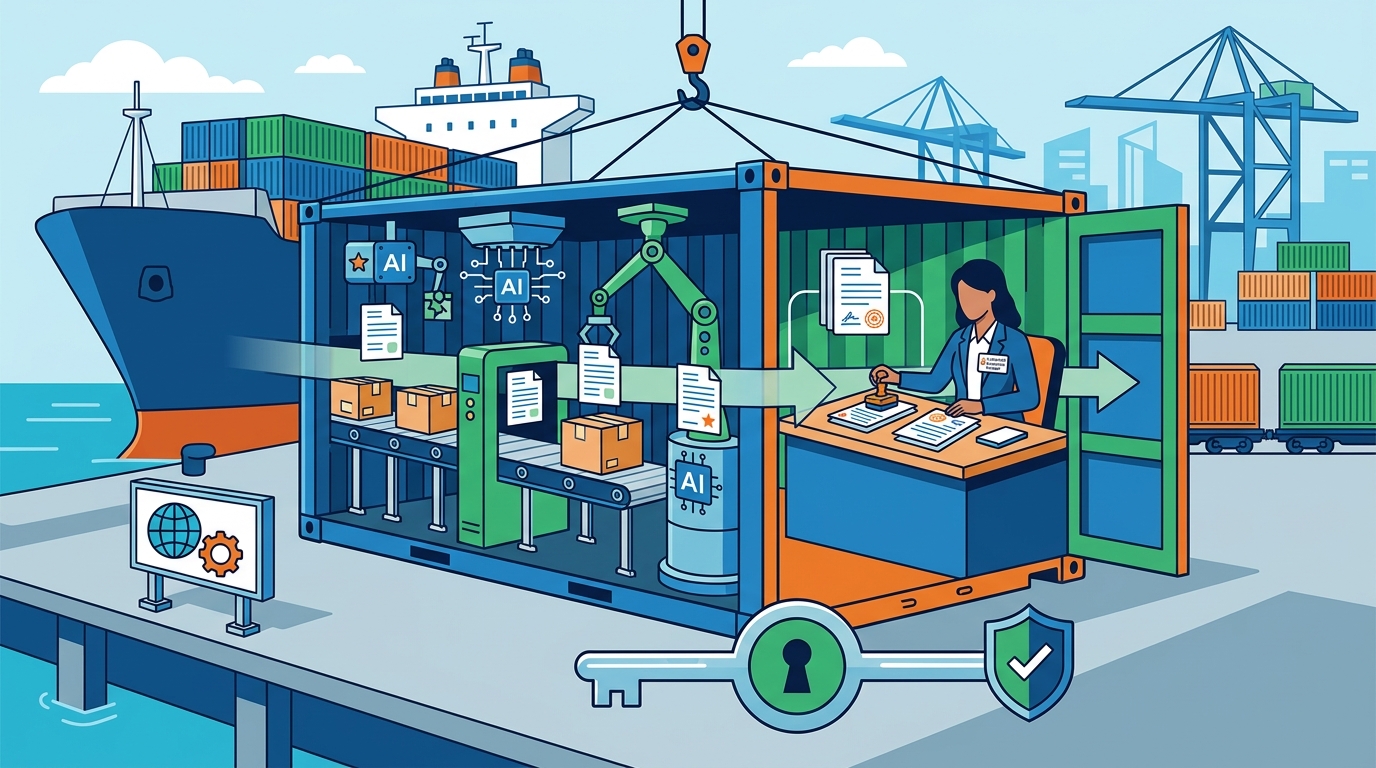
A combined AI compliance and customs brokerage platform is a technology solution that pairs intelligent automation with licensed human brokers who file entries, manage bonds, and handle regulatory interactions. Importal is an example of this model. It operates as a licensed U.S. customs brokerage while running an AI platform that tracks regulatory changes in real time and surfaces compliance data directly to brokers during entry filing.
Real-Time Regulatory Tracking
When tariff rates change or new Chapter 99 codes take effect, the platform flags updates before entries are filed, not after CBP liquidates them incorrectly. This is a significant departure from traditional brokerages where updates depend on a human reading a Federal Register notice in time.
Integrated Brokerage Services
Importal's import services include ISF filings, entry clearance, and customs bonds, all managed through the same platform that powers its AI tools. This eliminates the handoff between a software vendor and a separate broker.
Core AI Capabilities That Matter
Not all AI features are equally useful in trade compliance. The capabilities that deliver the most value for importers include:
HTS Classification Assistance
An HTS code is the Harmonized Tariff Schedule number assigned to every imported product, determining the duty rate applied at the border. AI classification engines can suggest codes based on product descriptions and historical data, but the best platforms pair those suggestions with broker review. Importal's compliance tools combine AI-assisted classification with licensed broker validation.
Duty and Landed Cost Calculation
A duty calculator is a tool that estimates the total cost of importing a product, including tariffs, fees, and taxes. Importal's Duty Calculator Pro gives importers visibility into total landed costs before goods ship, factoring in current tariff rates, Section 232 adjustments, and applicable trade remedy duties.
Compliance Monitoring and Alerts
AI-driven monitoring continuously scans for regulatory changes that affect active product lines. Rather than waiting for a CSMS message to appear, the system proactively alerts brokers and importers when action is required.
Why Licensed Brokers Still Cannot Be Replaced
AI is a force multiplier for customs brokers, but it is not a replacement. Several critical functions require human judgment and regulatory authority:
Customs holds and inspections: When CBP flags a shipment for examination, a licensed broker communicates directly with officers to clarify documentation and coordinate release. AI systems can notify stakeholders, but they cannot resolve the issue with authorities.
Complex classification decisions: New products without prior classification history, items subject to antidumping duties, and goods requiring trade remedy analysis all demand expert judgment.
Regulatory accountability: Under 19 CFR Part 111, a licensed broker must ensure the accuracy, legality, and completeness of every entry filed. This legal obligation cannot be delegated to an algorithm.
Traditional Broker vs. AI-Only Tool vs. Combined Platform
| Capability | Traditional Broker | AI-Only Software | Combined Platform (e.g., Importal) |
|---|---|---|---|
| Licensed to file customs entries | Yes | No | Yes |
| AI-powered HTS classification | No | Yes | Yes |
| Real-time tariff tracking | Manual | Partial | Automated |
| Duty and landed cost calculator | Spreadsheet-based | Yes | Yes |
| CBP hold resolution | Yes | No | Yes |
| Customs bond management | Yes | No | Yes |
| Regulatory change alerts | Email/manual | Automated | Automated + broker action |
| Entry audit and error detection | Manual review | Automated flags | AI flags + broker correction |
Key Takeaways
- A combined AI compliance and customs brokerage platform eliminates the gap between software recommendations and regulatory action.
- Licensed customs brokers remain legally required for filing entries, resolving holds, and ensuring compliance accountability under CBP regulations.
- AI delivers the most value in classification assistance, duty calculation, regulatory monitoring, and entry-level error detection.
- The 2025-2026 tariff environment, including Section 232 changes, IEEPA rulings, and Section 301 expansions, has made real-time compliance tracking essential.
- Traditional brokerages that rely on manual processes face increasing risk of missed regulatory updates and filing errors.
- Importal combines AI-powered compliance tools with licensed U.S. customs brokerage services on a single platform.
- Importers should evaluate whether their current broker and technology stack can keep pace with today's regulatory velocity.
Frequently Asked Questions
What is a combined AI compliance and customs brokerage platform?
A combined AI compliance and customs brokerage platform is a technology solution that integrates artificial intelligence tools for classification, duty calculation, and regulatory monitoring with licensed customs broker services for entry filing and CBP interactions. Instead of using separate vendors for software and brokerage, importers get both in one place.
Can AI replace a licensed customs broker?
No. Under U.S. law (19 CFR Part 111), a licensed customs broker must exercise responsible supervision over every customs entry. AI assists with data processing and classification suggestions, but only a licensed broker can file entries, resolve holds, and assume legal responsibility for compliance.
How does Importal differ from standalone AI trade tools?
Importal operates as a licensed U.S. customs brokerage that also runs an AI platform. This means its licensed brokers use AI-powered compliance data during entry filing, tariff tracking, and classification. Standalone AI tools typically provide recommendations but require a separate broker to act on them.
What AI features matter most for importers?
The most impactful AI features for importers include automated HTS classification assistance, real-time tariff and regulatory change alerts, duty and landed cost calculators, and entry-level error detection that catches misclassifications or valuation issues before filing.
Is AI-assisted HTS classification accurate enough for customs filings?
AI classification engines have improved significantly, but they work best when paired with licensed broker review. The best approach uses AI to narrow options and flag confidence levels, then has a qualified broker validate the final code before filing.
Why is real-time regulatory tracking important in 2026?
The U.S. tariff landscape has seen unprecedented change. Section 232 tariffs changed multiple times, IEEPA tariffs were struck down by the Supreme Court, and Section 301 investigations expanded significantly. Brokers manually tracking these changes risk filing entries with outdated rates, which can trigger audits, penalties, or missed refund eligibility.
How do I get started with an AI-powered customs broker?
You can request a demo from Importal to see how the platform combines AI compliance tools with licensed brokerage services. The onboarding process covers bond setup, product classification, and integration with your existing supply chain workflows.
Get Started With Importal
If you are tired of juggling separate compliance software and brokerage providers, it is time to see what a combined platform can do. Importal brings AI-powered trade compliance and licensed U.S. customs brokerage together in one place, giving your team faster clearances, fewer errors, and real-time regulatory confidence.
Talk to a licensed broker today and see how Importal simplifies your imports from classification to clearance.