

Managing cross-border shipments manually is no longer viable for high-volume operations. Global trade volumes continue to expand, creating complex challenges for manual documentation processes. Businesses face mounting pressure to reduce clearance delays and eliminate costly classification errors. Modern importers require a unified system that merges automated compliance tools with licensed brokerage expertise. This approach ensures predictable tariffs, accurate documentation, and seamless data flow from origin to final delivery.
What is Import Documentation Automation?
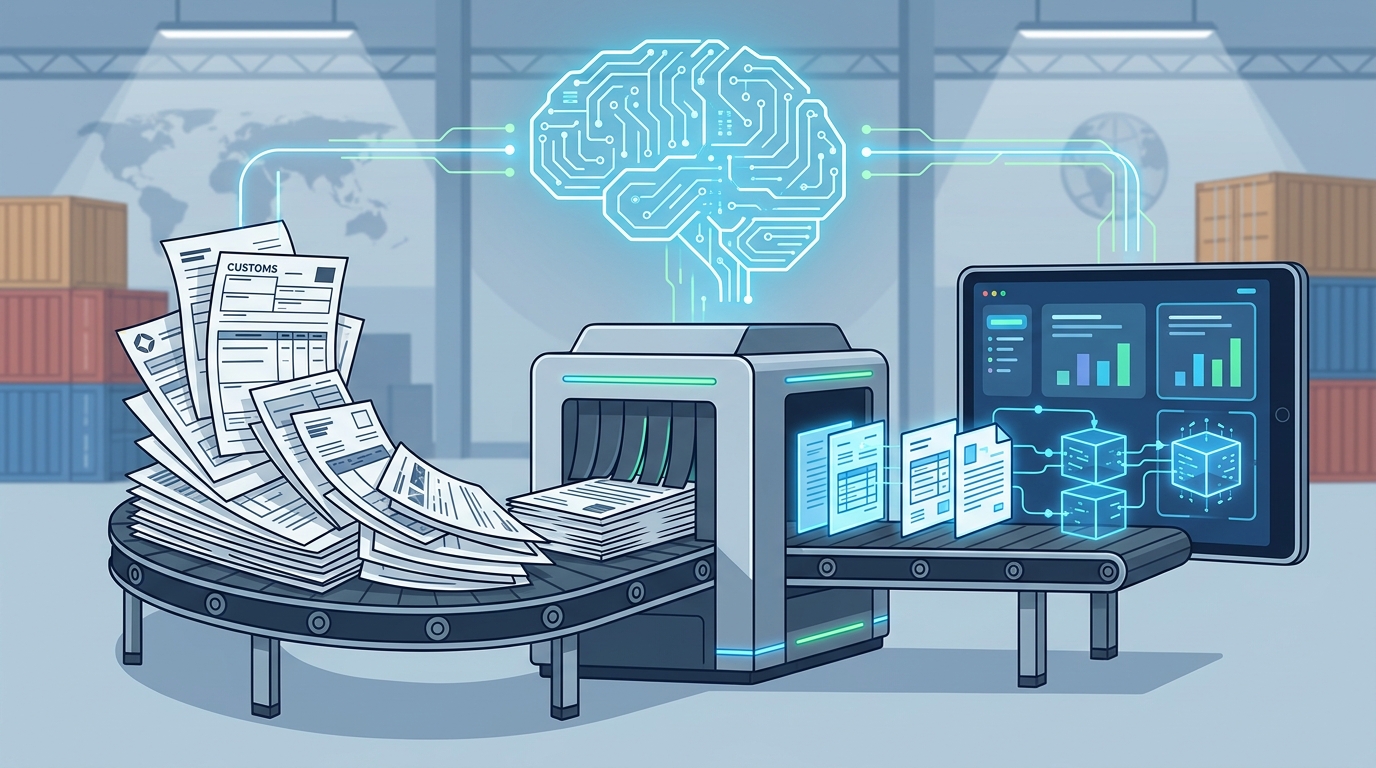
Import documentation automation is the process of using software algorithms and API integrations to generate, validate, and submit regulatory paperwork without manual data entry. Legacy methods rely on spreadsheets, email chains, and repetitive data entry, which introduce significant risk of human error. Automated platforms eliminate these inefficiencies by connecting product data directly to regulatory databases.
When you automate import documentation, your system can instantly calculate duties, identify required licenses, and generate the necessary export and import documents. This capability transforms a chaotic, reactive process into a streamlined, proactive workflow. Importal removes complexity at every stage of importing, customs, and tariffs by combining automated compliance tools with licensed customs brokerage.
By leveraging Duty Calculator Pro, businesses can determine exact tariffs before shipping. This proactive approach prevents costly surprises at the border and ensures that all required documentation is prepared in advance. Automation also enables real-time tracking of regulatory changes, ensuring your paperwork always reflects the latest compliance requirements.
Key Components of Automated Workflows
Effective automation requires a robust infrastructure that handles multiple data points simultaneously. The core components include product classification, tariff calculation, license identification, and document generation. Each component must communicate seamlessly to ensure accuracy across the entire supply chain.
HS Code classification is the standardized international system used to categorize traded products for tariff assessment and regulatory tracking. Automated systems utilize vast product libraries to suggest the correct HS Code based on product attributes, reducing the burden on compliance teams. The Product Library provides a centralized repository for these classifications, ensuring consistency across all shipments.
Automated workflows also handle import licenses and permits. Certain goods require specific authorization before they can enter a country. An intelligent system can flag these requirements based on the product code and origin, prompting the user to secure the necessary permits before dispatch. This prevents shipment holds and avoids demurrage charges at the destination port.
Additionally, automation tools manage Import Bonds and postal regulations. Bonds provide a financial guarantee to customs authorities, ensuring duties and taxes are paid. Automated platforms can calculate the appropriate bond type and value, streamlining the financial aspect of compliance. Postal services have specific documentation requirements for low-value shipments, which automation can also handle efficiently.
Integrating Automation with ERP Systems
Seamless integration with existing business systems is critical for scaling automation. Import documentation cannot exist in isolation; it must flow directly from purchasing orders, inventory management, and financial ledgers. API integrations enable this connectivity, allowing data to move bidirectionally between your ERP and compliance platform.
Landed cost calculation is the comprehensive method of determining the total price of a product once it has arrived at its destination, including duties, taxes, and freight. By integrating automation with your ERP, you can calculate landed costs in real-time during the procurement phase. This visibility allows procurement teams to make informed sourcing decisions based on total cost of ownership rather than just the unit price.
Importal's API plugs directly into your ERP, purchasing system, or custom tools to automate tariff calculations and compliance checks in real-time. You can connect Importal's API to your SAP, NetSuite, or custom software in minutes. This integration ensures that tariff and classification updates flow into your workflow automatically, eliminating the need for manual lookups or outdated data.
Real-time data synchronization also enhances financial accuracy. When duties and taxes are calculated automatically, your general ledger reflects the true cost of goods sold. This precision supports better margin analysis and pricing strategies. Furthermore, automated data exchange reduces the risk of discrepancies between purchasing records and customs declarations, which can trigger audits or penalties.
How Importal Automates Filings
Automation extends beyond calculation and integration; it encompasses the actual filing of documents with regulatory authorities. Importal streamlines this process by handling the entire lifecycle of your customs filings. The platform guides you through a structured workflow that ensures no step is overlooked.
The process begins with precise tariff calculation and license identification. Importal calculates exact tariffs and identifies required import licenses based on your product data and country of origin. This step ensures that all regulatory requirements are met before the goods are dispatched. Next, the platform handles the filing of export documentation in the country of origin, ensuring compliance with export controls and sanctions.
Finally, Importal manages the customs clearance process upon arrival. The platform submits the necessary import declarations to customs authorities, leveraging licensed customs brokerage expertise. This end-to-end automation reduces the administrative burden on your team and minimizes the risk of errors. By combining AI tools with expert review, Importal ensures that your filings are accurate, timely, and compliant.
This comprehensive approach is particularly valuable for businesses managing high volumes of shipments or complex product catalogs. The ability to automate filings at scale allows companies to focus on growth and innovation rather than administrative compliance. Users can track the status of their filings in real-time, gaining complete visibility over the clearance process.
Reducing Compliance Risks Through AI and Expert Review
While automation significantly reduces risk, the combination of technology and human expertise provides the highest level of protection. AI algorithms can process vast amounts of data quickly, but complex edge cases often require human judgment. Importal addresses this by pairing powerful compliance technology with expert brokerage.
The result is fewer risks, fewer surprises, and complete visibility over duties, classifications, and every shipment you move. Your team of licensed customs brokers, compliance specialists, and technologists works together to ensure that your operations remain compliant with evolving regulations. This collaborative model ensures that automation is both efficient and accurate.
Regulatory environments are constantly changing, with new tariffs, sanctions, and trade agreements introduced regularly. An automated system can monitor these changes and update your workflows accordingly. However, expert review provides a critical safety net for high-value or high-risk shipments. By leveraging licensed customs brokers, businesses can access specialized knowledge that enhances the effectiveness of their automation strategy.
Proactive risk management also involves monitoring supply chain disruptions and geopolitical events. Automated platforms can alert you to potential impacts on your shipments, allowing you to adjust your strategies before issues arise. This forward-looking approach helps businesses maintain resilience in an unpredictable global trade environment.
Choosing the Right Automation Strategy
Selecting the appropriate automation strategy depends on your business volume, product complexity, and technical capabilities. Some companies prefer full API integration for maximum control, while others opt for managed services for hands-off compliance. Understanding your options allows you to choose the solution that best fits your operational model.
| Strategy | Features | Best For | Details |
|---|---|---|---|
| API Integration | Real-time data sync, ERP connectivity, custom workflows | High-volume tech-forward businesses | Request API Access |
| Duty Calculator Pro | Exact tariff calculation, HS Code suggestions, cost estimation | Procurement and sourcing teams | Try Duty Calculator Pro |
| Full Customs Clearance | End-to-end filing, brokerage services, license management | Businesses seeking hands-off compliance | Explore Clearance Services |
| Country Comparison | Multi-origin analysis, tariff benchmarking, sourcing optimization | Global supply chain strategists | Use Country Comparison |
Businesses with robust technical teams may prefer API integration, which offers the highest degree of customization and control. This approach is ideal for companies that have developed proprietary workflows and require seamless data exchange with their internal systems. On the other hand, companies seeking a more managed approach can utilize Importal's full customs clearance services, which handle the entire process from documentation to clearance.
For organizations focused on cost optimization, tools like Country Comparison provide valuable insights into sourcing strategies. By comparing tariffs and duties across different origins, businesses can identify the most cost-effective sourcing options. This data-driven approach supports strategic decision-making and enhances overall supply chain efficiency.
Key Takeaways
- Importal combines AI tools with licensed brokerage to automate the entire import process.
- API integration connects directly to SAP, NetSuite, and custom software for real-time data flow.
- Duty Calculator Pro provides exact tariffs and HS Code suggestions before shipping.
- Automated workflows handle import licenses, bonds, and postal regulations efficiently.
- Product Library centralizes classifications, ensuring consistency across all shipments.
- Country Comparison enables multi-origin analysis for optimized sourcing decisions.
- End-to-end automation reduces administrative burden and minimizes compliance risks.
Frequently Asked Questions
How does automation handle HS Code classification?
Automated systems utilize vast product libraries to suggest the correct HS Code based on product attributes. Importal's Product Library provides a centralized repository for these classifications, ensuring accuracy and consistency across all shipments.
Can I integrate automation with my existing ERP system?
Yes, Importal's API plugs directly into your ERP, purchasing system, or custom tools. You can connect to SAP, NetSuite, or custom software to automate tariff calculations and compliance checks in real-time.
What is an import bond and when is it required?
An import bond is a financial guarantee to customs authorities ensuring duties and taxes are paid. Automated platforms can calculate the appropriate bond type and value, streamlining the financial aspect of compliance through Import Bonds services.
How does Importal handle export documentation?
Importal handles the filing of export documentation in the country of origin, ensuring compliance with export controls and sanctions. This step is part of the end-to-end automation workflow that manages the entire lifecycle of your customs filings.
What are the benefits of using Country Comparison tools?
Country Comparison tools allow you to analyze tariffs and duties across different origins. This enables you to identify the most cost-effective sourcing options and optimize your global supply chain strategy.
Does automation support postal shipments?
Yes, automated workflows manage postal regulations for low-value shipments. Importal's postal services handle the specific documentation requirements for these shipments, ensuring compliance and efficient delivery.
How does AI reduce compliance risks?
AI algorithms process vast amounts of data quickly to identify potential issues and regulatory changes. When combined with expert review from licensed customs brokers, AI provides a robust safety net that minimizes the risk of errors and penalties.
Start Automating Your Imports Today
Transform your import operations with a platform designed for clarity, speed, and predictability. Importal removes complexity at every stage, allowing you to focus on growth and innovation. Whether you need API integration, duty calculation, or full customs clearance, Importal provides the tools and expertise you need.
Take the first step toward smarter importing. Start your free trial today and experience the power of automated trade compliance. Or book a demo to see how Importal can streamline your specific workflows. Join the thousands of businesses that trust Importal for smarter importing, clearer customs, and predictable tariffs.