

Best Trade Compliance Platform for DTC Brands and Freight Forwarders
DTC brands and freight forwarders face increasingly complex tariff landscapes that threaten profit margins and shipment velocity. U.S. imports reached $3.83 trillion in 2023, according to the U.S. Census Bureau, creating urgent demand for automated compliance tools. Importal addresses this challenge by combining AI-driven tariff intelligence with licensed customs brokerage services. This dual approach ensures importers can calculate exact duties, manage classifications, and clear shipments with complete confidence.
Why DTC Brands Need Automated Tariff Intelligence
A trade compliance platform is a software solution that automates tariff calculations, product classification, and regulatory filing processes. DTC brands often struggle with unpredictable landed costs that erode margins. Importal's Duty Calculator Pro allows brands to forecast expenses before shipping. This tool integrates directly with purchasing workflows to prevent financial surprises.
Real-time Duty Calculations
Manual duty research introduces significant delays and calculation errors. Automated tools provide instant duty estimates based on harmonized codes and country of origin. Brands can evaluate multiple sourcing scenarios to optimize total landed cost. This visibility enables data-driven decisions on supplier selection and pricing strategies.
API Integration for ERP Systems
Scaling brands require seamless data flow across their technology stack. API Integrations plug directly into ERP, purchasing systems, or custom tools. This connection automates tariff calculations and compliance checks in real-time. Brands using SAP or NetSuite can push live tariff data into their finance modules without manual lookups.
How Freight Forwarders Leverage Compliance Tech
Freight forwarders manage high volumes of diverse shipments across global routes. Efficiency depends on accurate classification and rapid documentation processing. Importal supports forwarders with comprehensive Import Services, including Customs Clearance and Import Bonds. These services reduce administrative overhead and accelerate cargo release.
Customs Clearance Automation
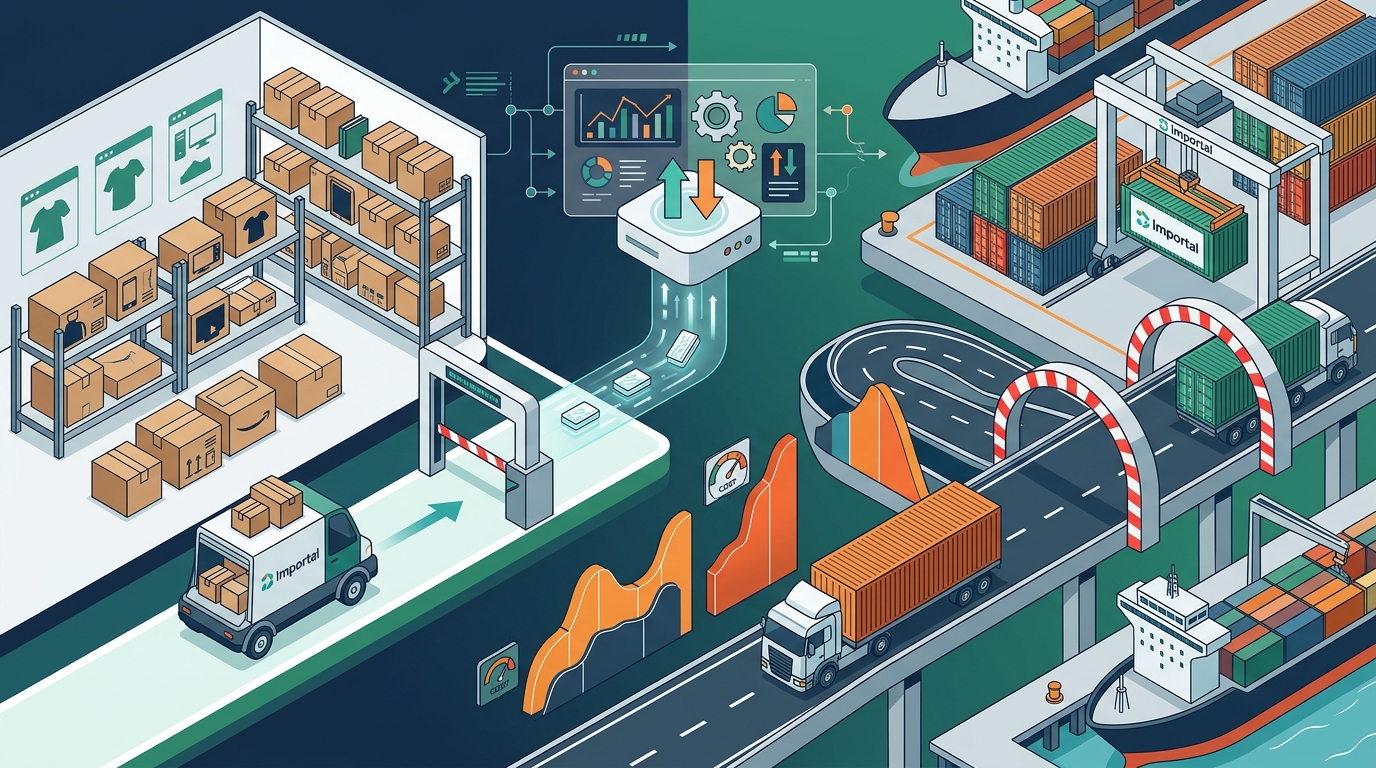
Customs Clearance is the official process of declaring and releasing imported goods through regulatory authorities. Manual clearance processes introduce delays and compliance risks. A modern platform automates the filing of export documentation in the country of origin. This automation ensures adherence to local regulations while maintaining operational speed.
Import Bonds and Postal Solutions
Forwarders often handle varied shipment types, from large container loads to small postal packages. Importal offers specialized tools for Import Bonds and Postal shipments. These solutions address specific regulatory requirements for different cargo categories. Forwarders can select the appropriate service based on shipment value and volume.
Key Features of a Leading Trade Compliance Platform
Top platforms offer a centralized Product Library to store classification data. This library reduces redundant research and ensures consistency across shipments. Additionally, Country Comparison tools help brands evaluate sourcing options based on duty rates and trade agreements. These features collectively streamline the import lifecycle.
Product Library and Classification
A centralized Product Library is a database of verified harmonized codes and duty rates. This feature allows teams to reuse classifications for recurring SKUs. Maintaining an accurate library minimizes the risk of customs audits and penalties. Teams can quickly retrieve historical data to speed up new shipment processing.
Global Trade Intelligence
Global trade volumes continue to expand, according to the World Trade Organization, requiring robust data management. Platforms must handle complex duty calculations involving multiple tariffs and exemptions. Advanced tools automatically apply the latest policy changes to ensure compliance. This capability protects importers from unexpected financial liabilities.
The Importance of Licensed Customs Brokerage
Technology alone cannot resolve complex regulatory issues. Licensed customs brokers provide expert oversight for high-risk or unusual shipments. Importal's team includes licensed brokers and compliance specialists who review every shipment. This human expertise complements the AI tools to handle edge cases and audits.
Expert Support for Complex Shipments
Section 301 tariffs affect numerous product categories, according to the Office of the U.S. Trade Representative, requiring precise classification. Brokers can identify exemptions and special programs that automated tools might miss. Their involvement ensures that complex shipments clear customs without unnecessary holds. Importal's About Us page highlights the team's commitment to clarity and predictability.
Comparing Platform Options for Import Efficiency
| Option | Key Features | Best For |
|---|---|---|
| Manual Spreadsheets | Basic tracking, no automation, high error risk | Very low volume, occasional imports |
| Basic Software | Automated calculations, limited support, no brokerage | Medium volume, self-managed compliance |
| AI Platform with Brokerage | Live API, Duty Calculator Pro, Customs Clearance, Expert Support | DTC brands, Freight forwarders, High volume |
Manual methods lack the scalability required for modern e-commerce. Basic software tools often miss nuanced regulatory updates. An AI platform with integrated brokerage offers the highest level of control and risk mitigation. This approach is ideal for businesses prioritizing accuracy and speed.
Key Takeaways
- DTC brands benefit from API Integrations that sync directly with ERP systems for real-time data.
- Freight forwarders reduce administrative overhead using automated Customs Clearance services.
- Duty Calculator Pro provides exact tariff forecasts before shipping, protecting profit margins.
- Licensed customs brokers handle complex regulatory scenarios and audit defense.
- Product Libraries ensure classification consistency across recurring SKUs and shipments.
- Country Comparison tools enable strategic sourcing decisions based on duty rates.
- Customs regulations require precise documentation, which automated platforms streamline effectively.
Frequently Asked Questions
How does Importal handle tariff updates?
Importal updates tariff data in real-time through its API and platform. This ensures users always access the latest duty rates and policy changes without manual intervention.
Can DTC brands use Importal for small shipments?
Yes, Importal supports various shipment sizes, including postal and small package imports. The platform offers tools tailored for both high-volume and low-volume importers.
What ERP systems are supported by the API?
The API connects to major systems like SAP, NetSuite, and custom software. Users can request access to integrate tariff intelligence into their existing tech stack.
Does the platform include customs brokerage services?
Yes, Importal provides licensed customs brokerage alongside its software tools. This combination offers both automated intelligence and expert human support for complex shipments.
How do I calculate duties for a specific product?
Users can utilize the Duty Calculator Pro to determine exact duties based on product classification and country of origin. This tool helps forecast landed costs accurately before committing to a purchase.
Is there a free trial available?
Importal offers a free trial to explore platform capabilities. Users can test tools and request a demo to see the system in action.
How does the Product Library improve efficiency?
The Product Library stores verified classifications and duty rates for reuse. This feature eliminates redundant research and ensures consistency across multiple shipments of the same SKU.
Start Smarter Importing Today
DTC brands and freight forwarders can streamline operations with Importal. Book a Demo to explore how AI-powered compliance and expert brokerage can transform your import workflow. Book a Demo to get started.