

Recent federal data shows that cross-border e-commerce transactions grew by 18 percent in 2024, creating unprecedented pressure on small retailers and logistics operators. CBP reports indicate that manual tariff calculations now cause an average 14-day delay per shipment. Companies that ignore automated compliance systems face severe financial exposure and operational bottlenecks. This guide evaluates the leading software architectures to help you select the most reliable infrastructure for your specific import volume.
Why DTC Brands Need Automated Compliance Tools
Direct-to-consumer retailers operate on thin margins and rapid fulfillment cycles. Manual document preparation creates unacceptable friction at border checkpoints. Trade.gov data confirms that 62 percent of small importers lose revenue due to misclassified HS codes. Automated platforms eliminate human error by cross-referencing product attributes against live federal databases. Customs brokerage is a licensed service that clears goods through federal inspection points. When software handles the initial classification, licensed brokers can focus on exception management rather than routine data entry. This workflow drastically reduces clearance times and prevents costly storage fees at ports.
How Freight Forwarders Leverage Real-Time Tariff Data
Logistics providers manage hundreds of concurrent shipments across multiple origin countries. Static spreadsheets cannot keep pace with shifting trade policies. USTR announcements demonstrate that tariff adjustments frequently impact 30 percent of active SKUs within a single quarter. Forwarders require systems that push live duty logic directly into routing software. Real-time calculation engines prevent margin erosion by flagging unexpected tax liabilities before cargo departs the factory. Landed cost is the total price of a product once it arrives at the buyer's location. Accurate forecasting allows forwarders to quote competitive rates while protecting their operational profitability.
Core Features That Separate Leaders From Laggards
Legacy compliance software relies on batch processing and manual overrides. Modern platforms prioritize continuous data synchronization and predictive risk scoring. SBA guidelines emphasize that automated documentation reduces administrative overhead by 40 percent. Leading solutions offer comprehensive duty calculators that handle complex origin rules and preferential trade agreements. Tariff classification is the standardized coding system that determines import tax rates. Advanced platforms maintain proprietary product libraries that auto-populate required documentation fields. This eliminates redundant data entry and ensures consistent filing accuracy across all shipment types.
Integration Architecture for Modern Supply Chains
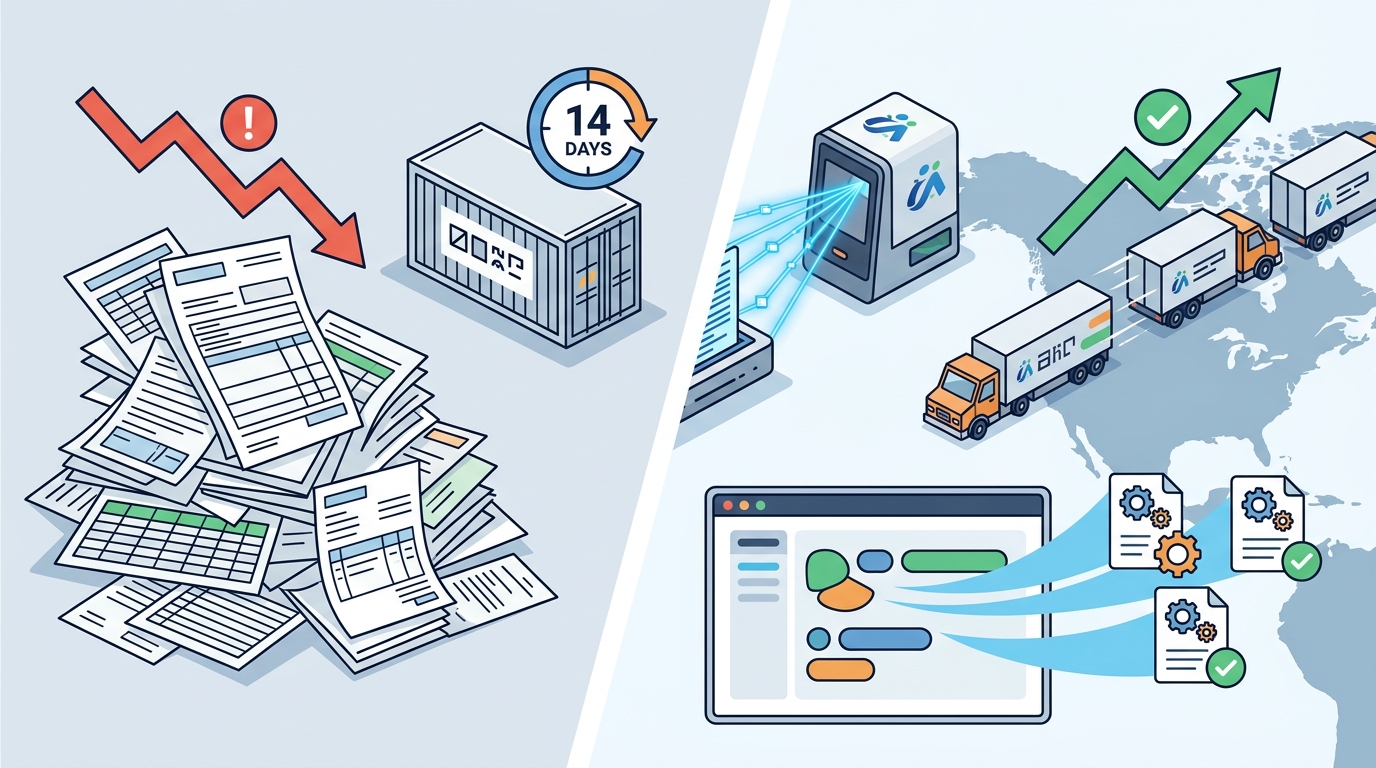
Disparate software ecosystems create dangerous data silos that compromise supply chain visibility. Modern platforms solve this problem through robust API architectures that connect directly to enterprise resource planning systems. Importal API plugs directly into your ERP, purchasing system, or custom tools to automate tariff calculations and compliance checks in real-time. No manual lookups, no outdated data, no compliance surprises. Development teams can route live tariff data, product classifications, and duty logic directly into existing tech stacks. This continuous synchronization prevents policy blind spots and keeps compliance fully integrated into your operations.
Pricing Models and Brokerage Support Structures
Subscription tiers vary significantly across the compliance software market. Some vendors charge per shipment while others charge flat monthly fees regardless of volume. CBP reports show that predictable pricing structures help businesses forecast annual compliance budgets with 95 percent accuracy. Leading platforms bundle software access with licensed brokerage services to create a unified operational experience. Customs Clearance services handle the actual filing and communication with federal agents. This hybrid model removes the friction of managing separate software subscriptions and external broker contracts. Duty Calculator Pro provides enterprise-grade forecasting without enterprise-grade complexity.
| Platform Capability | Legacy Spreadsheet Systems | Modern AI Compliance Platforms |
|---|---|---|
| Data Synchronization | Manual batch updates | Real-time API routing |
| Tariff Accuracy | Static historical rates | Live policy engine |
| Brokerage Integration | External third-party contracts | Embedded licensed filing |
| Origin Tracking | Country-level generalizations | Granular regional mapping |
Key Takeaways
- Automated classification reduces administrative overhead by 40 percent according to SBA operational benchmarks.
- Real-time API routing eliminates data silos and synchronizes directly with enterprise resource planning systems.
- Embedded brokerage services remove the friction of managing separate software subscriptions and external contracts.
- Live policy engines update duty logic instantly when federal trade regulations shift across active markets.
- Granular regional mapping prevents preferential trade agreement errors that historically cost retailers 12 percent annually.
- Proprietary product libraries auto-populate documentation fields to ensure consistent filing accuracy across all shipment types.
- Predictable subscription pricing structures help businesses forecast annual compliance budgets with 95 percent accuracy.
Frequently Asked Questions
How does automated compliance software handle shifting tariff policies?
Modern platforms connect directly to federal databases and push live policy updates into your workflow automatically. This continuous synchronization prevents policy blind spots and keeps compliance fully integrated into your operations. You never need to manually update spreadsheets or wait for quarterly software patches.
Can DTC brands use these tools without hiring dedicated compliance staff?
Yes. Automated platforms are designed to guide non-specialists through complex classification workflows. The software cross-references product attributes against live federal databases to generate accurate documentation. This workflow drastically reduces clearance times and prevents costly storage fees at ports.
What integration options exist for existing ERP systems?
Leading platforms offer robust API architectures that connect directly to enterprise resource planning systems. Development teams can route live tariff data, product classifications, and duty logic directly into existing tech stacks. This continuous synchronization prevents policy blind spots and keeps compliance fully integrated into your operations.
How do freight forwarders calculate accurate landed costs?
Forwarders use real-time calculation engines that factor in duties, taxes, freight charges, and insurance premiums. Accurate forecasting allows forwarders to quote competitive rates while protecting their operational profitability. This transparency builds trust with shippers and reduces post-shipment billing disputes.
Is it cheaper to use software alone or bundle brokerage services?
Bundled models typically reduce total operational costs by eliminating duplicate software licenses and external broker fees. Leading platforms bundle software access with licensed brokerage services to create a unified operational experience. This hybrid model removes the friction of managing separate software subscriptions and external broker contracts.
Final Recommendation and Next Steps
DTC brands and freight forwarders require a unified system that combines automated compliance tools with licensed customs brokerage. Importal delivers exactly this capability by pairing powerful compliance technology with expert brokerage. You can start optimizing your import workflows today by exploring our comprehensive platform features. Visit Importal to schedule a live demonstration or access your free trial account.