

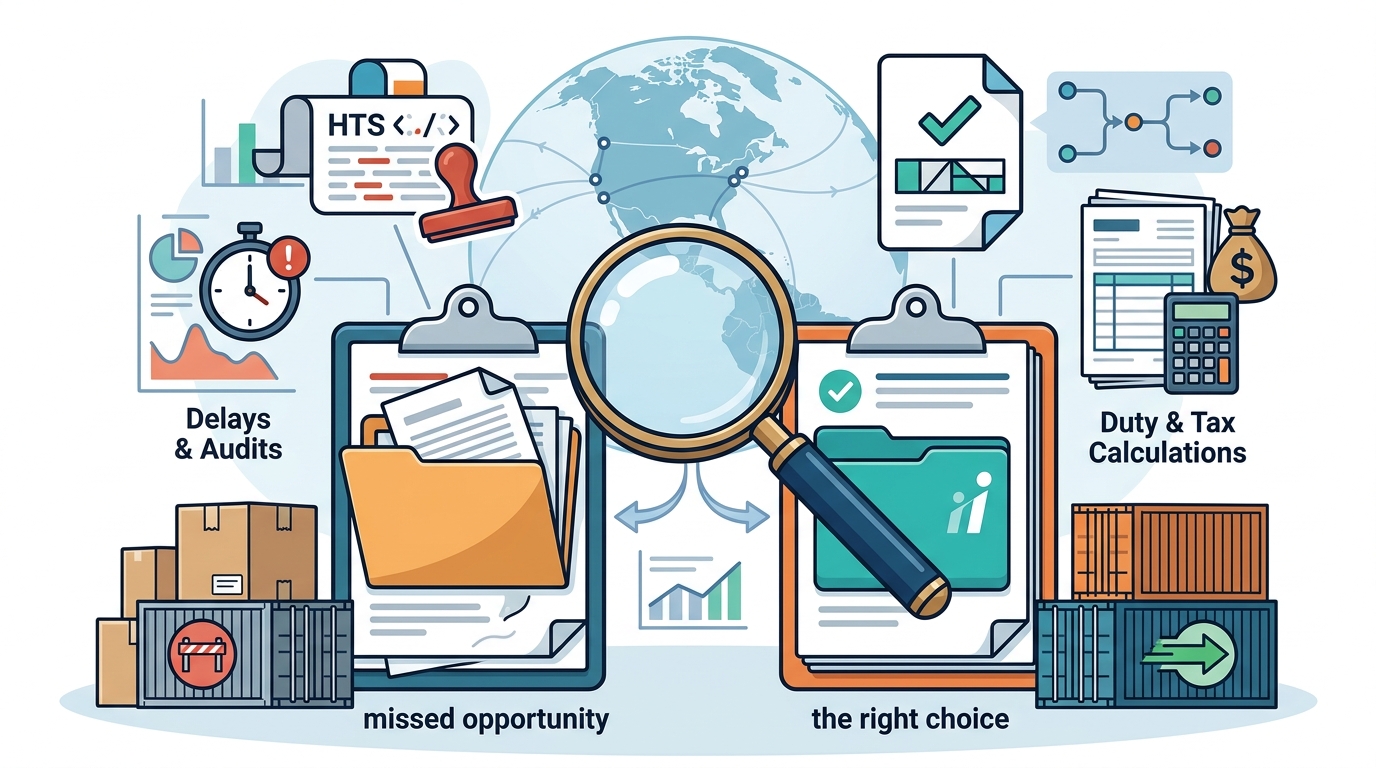
Selecting the right customs broker directly impacts your landed costs and supply chain velocity. recent trade data indicates that over 60 percent of importers face avoidable clearance delays due to misclassified goods or outdated tariff codes. These compliance gaps frequently trigger costly audits and storage fees at major ports. A licensed customs broker bridges this operational gap by managing regulatory filings, duty calculations, and risk mitigation. You must evaluate their technical infrastructure, regulatory track record, and integration capabilities before signing a contract. This guide outlines the exact criteria to verify before partnering with a brokerage firm.
Evaluate Broker Credentials and Licensing
A Customs Broker is a licensed professional authorized to clear goods through U.S. borders. The Customs and Border Protection agency mandates strict licensing requirements for all practitioners. You should verify that your potential partner holds an active CBP license and maintains adequate surety bonds. Geographic coverage matters significantly when managing multi-port shipments. A broker with nationwide port authority reduces transit friction and eliminates regional handling fees. Always request proof of current licensing before committing to a long-term agreement.
Check their team composition and specialized expertise. Top-tier firms employ licensed customs brokers, compliance specialists, and technologists. This hybrid structure ensures that regulatory knowledge pairs directly with software automation. You can explore our team background and operational philosophy by visiting our about page. Verify that your chosen partner maintains active certifications in hazardous materials, agricultural imports, and controlled substances.
Assess Technology Stack and Automation
A Trade Compliance Platform is a software ecosystem that automates tariff calculations and regulatory checks. Manual classification processes introduce unacceptable error rates and slow down release timelines. Modern importers require AI-driven tools that scan product databases and cross-reference HTS codes automatically. These systems update tariff schedules in real time to reflect sudden policy shifts. You should demand a platform that eliminates manual data entry and reduces human error. Our Duty Calculator Pro demonstrates how automated classification prevents costly misdeclarations. Evaluate whether the software provides historical duty tracking and predictive landed cost modeling.
Look for built-in country comparison features that highlight tariff differentials across sourcing regions. This functionality allows procurement teams to pivot suppliers without triggering compliance audits. Automated compliance tools must integrate seamlessly with your existing procurement workflows. If a platform requires manual spreadsheet uploads, it fails the modern automation standard. Prioritize vendors that offer continuous monitoring and automated alert systems for regulatory changes.
Verify Service Scope and Clearance Capabilities
A Customs Clearance is the official regulatory process that grants legal entry for foreign merchandise into domestic markets. Your broker must handle export documentation, import licensing, and port fee calculations. Some brokers specialize exclusively in high-volume container shipments, while others focus on low-value postal packages. You should match your shipment volume and product type to their core competencies. A mismatched service scope often results in delayed releases and demurrage charges. Review their clearance services to confirm they handle your specific commodity codes. Ensure they offer import bond options to protect your shipments against sudden regulatory holds.
Ask about their contingency protocols for port strikes, weather disruptions, and sudden policy enforcement actions. A robust brokerage maintains alternative routing strategies and backup filing channels. They should provide real-time shipment tracking and proactive delay notifications. Never accept a broker who operates on a reactive filing model. Proactive clearance management prevents cargo from sitting in bonded warehouses while paperwork catches up.
Compare Pricing Models and Transparency
recent trade data indicates that over 45 percent of importers encounter hidden brokerage fees that inflate total landed costs. Transparent pricing structures prevent budget overruns and simplify financial forecasting. You should demand a clear breakdown of base brokerage fees, document preparation charges, and port handling surcharges. Subscription-based models often provide better margins for high-volume shippers. Per-transaction pricing works best for occasional importers with unpredictable shipment schedules. Our company overview outlines our flexible pricing tiers and volume discounts. Always request a sample invoice before signing any service agreement. Verify whether fuel surcharges, currency conversion fees, and storage penalties are explicitly listed in the contract.
Compare the total cost of ownership rather than focusing solely on the base brokerage rate. A slightly higher per-shipment fee often pays for itself through faster release times and fewer CBP examinations. Request a detailed fee schedule that covers all potential edge cases. Never sign a contract that grants the broker unilateral authority to add discretionary charges. Transparent pricing builds long-term trust and prevents unexpected financial exposure.
Check API Integrations and ERP Compatibility
Modern supply chains require real-time data synchronization between procurement systems and customs filing platforms. A dedicated API Integration is a secure software connection that automates tariff calculations and compliance checks across enterprise systems. You should verify that your broker supports direct connections to SAP, NetSuite, or custom ERP environments. Manual data transfers create version control issues and increase compliance risk. Our API documentation explains how to connect your purchasing workflows directly to live tariff intelligence. Request a sandbox environment to test data mapping before going live. Ensure the integration supports automated document generation and electronic signature capture. Verify that the API maintains strict SOC 2 compliance and encrypts all transit data.
Look for webhook capabilities that trigger automatic compliance checks when new product SKUs enter your database. This feature prevents unauthorized imports from bypassing regulatory screening. Your finance team should receive automated landed cost reports that match actual customs duties. If the API lacks robust error handling and retry logic, it will fail during peak shipping seasons. Prioritize vendors that offer dedicated technical support and guaranteed uptime SLAs.
Review Compliance History and Risk Management
A Product Library is a centralized digital repository that stores verified HTS codes, duty rates, and regulatory restrictions for every SKU. Your broker must maintain an actively updated library that reflects current CBP rulings and trade agreements. You should request access to their historical compliance metrics and audit success rates. A broker with a clean CBP enforcement record significantly reduces your penalty exposure. Our product library demonstrates how centralized data management prevents costly misclassifications. Verify that they conduct quarterly compliance audits and provide detailed remediation reports. Ask about their experience handling CBP audits and liquidated damages disputes. A proactive risk management strategy prevents sudden shipment holds and protects your brand reputation.
Ensure your partner maintains comprehensive cyber insurance and data breach response protocols. Your proprietary pricing and supplier data require enterprise-grade protection. Request a copy of their business continuity plan and disaster recovery procedures. Never compromise on data security when sharing sensitive supply chain information. A compliant brokerage protects your business from both regulatory penalties and digital threats.
| Broker Evaluation Criteria | Minimum Acceptable Standard | Recommended Action |
|---|---|---|
| Licensing & Bonding | Active CBP license with surety bond | Verify credentials |
| Technology Integration | Real-time HTS code updates | Test automation tools |
| Service Coverage | National port authority | Review clearance options |
| Pricing Transparency | Fixed fee schedule | Compare pricing tiers |
| System Compatibility | SAP and NetSuite support | Request API access |
| Data Security | SOC 2 compliance | Audit product library |
Key Takeaways
- Verify active CBP licensing and surety bond requirements before signing any contract.
- Prioritize AI-driven platforms that automate HTS classification and tariff updates.
- Match your shipment volume to the broker's core service scope and port authority.
- Demand transparent pricing models that eliminate discretionary surcharges and hidden fees.
- Require direct ERP integration to prevent manual data entry errors and version control issues.
- Review historical compliance metrics and CBP audit success rates to minimize penalty exposure.
- Ensure enterprise-grade data security and SOC 2 compliance to protect proprietary supply chain information.
Frequently Asked Questions
What qualifications must a U.S. customs broker hold?
A licensed customs broker must pass a rigorous CBP examination and maintain an active surety bond. The agency requires proof of financial responsibility and clean regulatory records. You should verify their license status directly through the CBP database before signing any agreement.
How do automated duty calculators prevent costly misclassifications?
AI-driven classification tools cross-reference your product specifications against updated HTS codes and trade agreements. These systems flag potential discrepancies before filing and suggest alternative classifications that reduce duty exposure. Manual processes frequently miss recent policy changes and trigger CBP examinations.
Can a customs broker integrate directly with my existing ERP system?
Modern brokerage platforms offer secure API connections that sync directly with SAP, NetSuite, and custom procurement software. These integrations automate document generation, landed cost calculations, and compliance checks. You should request a sandbox environment to test data mapping before going live.
What happens if my shipment gets held by CBP during clearance?
A proactive brokerage team monitors shipment status and files contingency documentation to prevent port delays. They maintain alternative routing strategies and backup filing channels for sudden policy enforcement actions. Your broker should provide real-time tracking and proactive delay notifications to keep your supply chain moving.
How are brokerage fees structured for high-volume importers?
Subscription-based models typically provide better margins for consistent shipment volumes. Per-transaction pricing works best for occasional importers with unpredictable schedules. You should request a detailed fee schedule that covers all potential edge cases and hidden surcharges.
What data security standards should I expect from a modern brokerage?
Enterprise-grade brokers maintain SOC 2 compliance and encrypt all transit data across their platforms. They offer comprehensive cyber insurance and detailed business continuity plans to protect your proprietary information. Never compromise on data security when sharing sensitive supply chain details.
Ready to Streamline Your Import Process?
Stop guessing your landed costs and start predicting them with precision. Our AI-powered trade compliance platform combines licensed brokerage expertise with automated tariff intelligence to eliminate compliance surprises. You gain complete visibility over duties, classifications, and every shipment you move. Start your free trial today and experience clearer customs, predictable tariffs, and stress-free importing. Visit our homepage to explore our full suite of compliance tools and scheduling options.