

How to Automate Import Documentation and Customs Paperwork
Manual customs documentation is a critical bottleneck in global supply chains. According to trade efficiency reports, businesses that rely on manual data entry for customs clearance face significantly higher rates of shipment delays and compliance penalties. Automating this process is no longer optional for high-volume importers. It is a strategic necessity to maintain cash flow and operational continuity. This guide details how to implement automated import documentation systems that eliminate manual errors and accelerate customs clearance. (About Us mdash Importal)
Understanding Import Automation
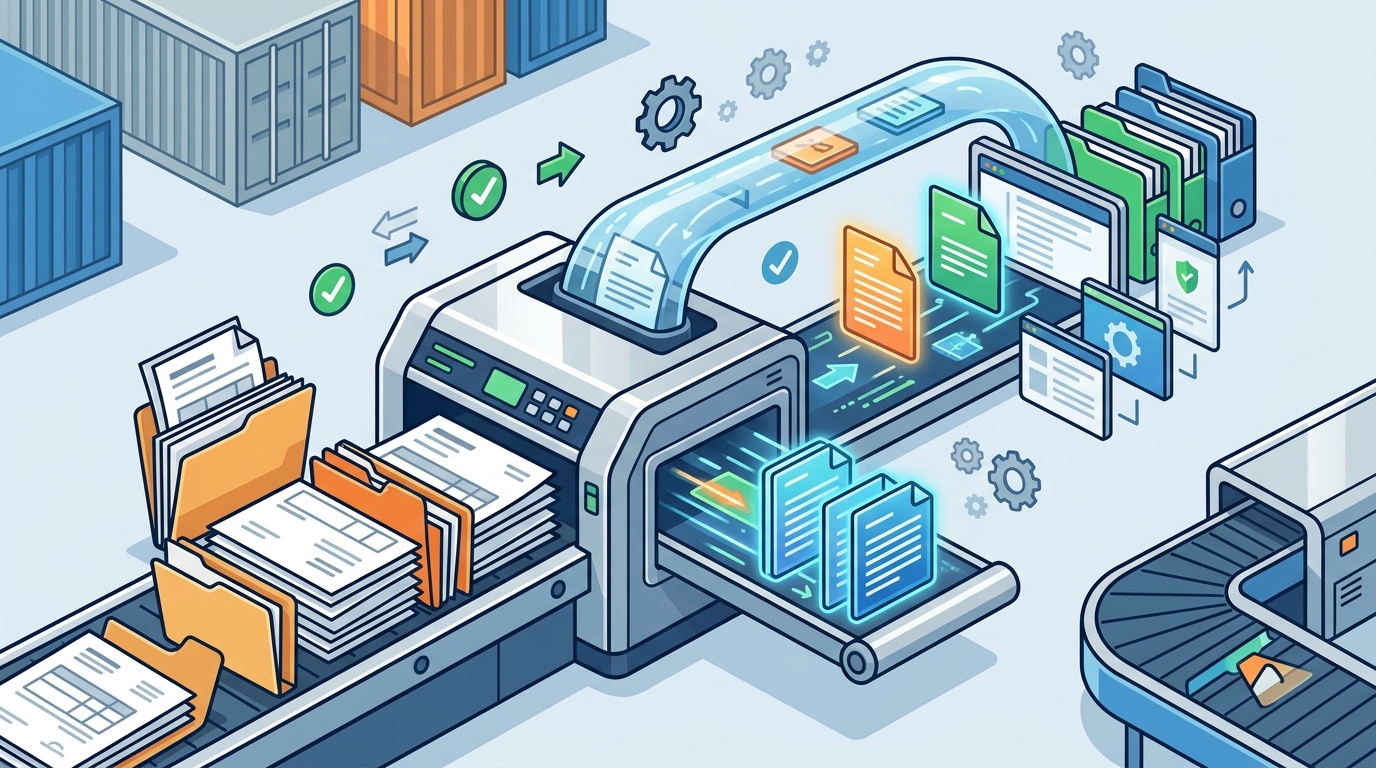
Import automation refers to the use of software to handle the creation, validation, and submission of customs documents. This includes commercial invoices, packing lists, and bills of lading. The goal is to reduce human error and speed up the clearance process. Manual processes are prone to mistakes in Harmonized System (HS) code classification. These errors can lead to unexpected duties or shipment holds. Automation ensures that data flows seamlessly from your enterprise resource planning (ERP) system to customs brokers. (About Us mdash Importal)
Harmonized System is a standardized nomenclature used by customs authorities worldwide to classify traded products. By automating the classification process, importers can ensure that every product is correctly categorized. This accuracy is vital for determining the correct duty rates and regulatory requirements. Automation tools leverage artificial intelligence to analyze product descriptions and suggest the most accurate HS codes. This reduces the time spent on manual research and minimizes the risk of misclassification.
Core Documentation Requirements
Successful import automation requires a clear understanding of the documents involved. Each document serves a specific purpose in the customs clearance process. Commercial invoices detail the transaction value between the buyer and seller. Packing lists provide the physical details of the shipment, including weight and dimensions. Bills of lading serve as the contract of carriage and title of goods. Automating these documents ensures consistency and accuracy across all shipments.
Customs clearance is the process of passing goods through a customs authority. This involves submitting the necessary documentation and paying any applicable duties. Without accurate documentation, shipments can be delayed or seized. Automation tools can generate these documents automatically based on pre-defined templates and data inputs. This ensures that all required fields are populated correctly and that the documents meet the specific requirements of the destination country.
API Integration for Real-Time Data
API integration is the backbone of effective import automation. An Application Programming Interface allows different software systems to communicate with each other. By integrating your ERP or purchasing system with an import automation platform, you can automate the flow of data. This eliminates the need for manual data entry and reduces the risk of errors. Real-time data synchronization ensures that your import documentation is always up to date.
Importal's API plugs directly into your ERP, purchasing system, or custom tools. This integration automates tariff calculations and compliance checks in real-time. You no longer need to rely on manual lookups or outdated data. The API delivers live tariff data, product classifications, and duty logic directly into your existing tech stack. This allows you to build smarter sourcing workflows and automate landed cost calculations.
Connect Importal’s API to your ERP or finance tools in minutes. Whether you manage orders in SAP, NetSuite, or custom software, the integration is designed to be seamless. The API updates automatically with new tariff data and regulatory changes. This ensures that your compliance checks are always current. You can also use the API to retrieve product classifications and duty rates for new products. This accelerates the onboarding process for new SKUs and reduces the time to market.
Automating Duty and Tariff Calculations
Duty and tariff calculations are complex and subject to frequent changes. Manual calculations are time-consuming and prone to errors. Automation tools can calculate duties and tariffs in real-time based on the latest tariff data. This provides accurate landed cost estimates before the shipment is even dispatched. Accurate landed cost estimates are crucial for pricing strategies and profit margin analysis.
Duty Calculator Pro is a powerful tool that simplifies the calculation of import duties. It allows you to calculate exact tariffs and identify required import licenses. The tool provides a clear breakdown of all costs associated with the import. This transparency helps you avoid unexpected expenses and plan your budget more effectively. The calculator is updated regularly with the latest tariff data and regulatory changes.
Automating duty calculations also helps you identify opportunities for cost savings. You can compare duty rates across different countries and suppliers. This allows you to optimize your sourcing strategy and reduce your overall import costs. The automation tool can also help you identify eligible free trade agreements. By applying the correct free trade agreement, you can reduce or eliminate duties on eligible goods. This requires accurate product classification and documentation, which automation tools can provide.
Automated Compliance Checks
Compliance is a critical aspect of international trade. Non-compliance can result in fines, penalties, and shipment delays. Automated compliance checks ensure that your shipments meet all regulatory requirements. This includes checking for restricted items, verifying import licenses, and ensuring proper documentation. Automation tools can screen your shipments against global sanction lists and regulatory databases.
Importal removes complexity at every stage of importing, customs, and tariffs. By combining automated compliance tools with licensed customs brokerage, we make importing clear, predictable, and stress-free. The platform identifies required import licenses and ensures that all documentation is complete. This proactive approach to compliance reduces the risk of customs holds and delays. It also provides complete visibility over duties, classifications, and every shipment you move.
Automated compliance checks also help you stay up to date with changing regulations. Trade policies and tariffs are constantly evolving. Manual monitoring of these changes is difficult and time-consuming. Automation tools monitor regulatory changes in real-time and update your compliance checks accordingly. This ensures that your shipments are always compliant with the latest regulations. You can focus on growing your business while the automation tool handles the compliance details.
Choosing the Right Platform
Selecting the right import automation platform is crucial for success. You need a platform that integrates seamlessly with your existing systems and provides comprehensive compliance tools. Look for a platform that offers real-time tariff data, automated documentation, and API integration. The platform should also provide support from licensed customs brokers. This ensures that you have expert guidance when navigating complex customs regulations.
| Feature | Manual Process | Automated Platform |
|---|---|---|
| HS Code Classification | Manual Research | AI-Powered Suggestions |
| Duty Calculation | Spreadsheet Based | Real-Time API Data |
| Documentation | Manual Entry | Auto-Generated |
| Compliance Checks | Periodic Review | Continuous Monitoring |
| Brokerage Support | External Hire | Integrated Expertise |
Key Takeaways
- Automation reduces manual errors and speeds up customs clearance significantly.
- API integration allows for seamless data flow between your ERP and import tools.
- Real-time tariff data ensures accurate landed cost calculations.
- Automated compliance checks prevent fines and shipment delays.
- Importal combines technology with licensed customs brokerage for complete confidence.
- Duty Calculator Pro provides exact tariff calculations and license identification.
- Choosing the right platform is critical for scalable import operations.
Frequently Asked Questions
What is the best way to automate customs documentation?
The best way is to use an API-integrated platform that connects directly to your ERP system. This allows for real-time data synchronization and automated document generation.
How does automation reduce customs delays?
Automation ensures that all documentation is accurate and complete before submission. This reduces the likelihood of customs holds due to missing or incorrect information.
Can I automate duty calculations for all countries?
Yes, platforms like Importal provide access to global tariff data. This allows you to calculate duties for shipments to multiple countries accurately.
What is the role of a customs broker in automation?
Customs brokers provide expert guidance on complex regulations. Automated platforms often integrate with brokerage services to ensure compliance and smooth clearance.
How do I integrate Importal with my existing systems?
Importal offers an API that can be integrated with major ERP systems like SAP and NetSuite. You can request access to the API to set up the integration.
What are the benefits of using a duty calculator?
A duty calculator provides accurate landed cost estimates. This helps you price your products correctly and avoid unexpected costs.
Is automated compliance checking reliable?
Yes, automated compliance checks use real-time data and AI to ensure accuracy. They are more reliable than manual checks, which are prone to human error.
Start Automating Today
Stop letting manual processes slow down your global trade. Automate your import documentation and customs paperwork with Importal. Our AI-powered platform and Customs brokerage expertise provide the clarity and confidence you need. Visit Importal to see our plans in action and book a demo today. Simplify your imports and secure your supply chain.