

The global trade landscape is shifting rapidly, and businesses relying on legacy methods are falling behind. According to recent industry analysis, companies that automate their trade compliance processes see a significant reduction in clearance delays and penalty risks. This shift is not just about speed; it is about accuracy and predictability in an increasingly complex regulatory environment. Manual data entry is no longer a viable strategy for scaling import operations. (About Us mdash Importal)
Why Manual Customs Entry Fails
Traditional customs entry processes rely heavily on human input, spreadsheets, and fragmented communication between brokers and supply chain teams. This approach introduces several critical vulnerabilities that can halt shipments and damage brand reputation. (About Us mdash Importal)
The Cost of Human Error
Even minor typos in Harmonized System (HS) codes or country of origin declarations can trigger customs holds. HS codes are the standardized numerical method used by customs authorities to classify traded products. A single digit error can result in incorrect duty calculations, leading to unexpected costs or legal penalties. Manual verification is slow and prone to fatigue, especially during peak shipping seasons. (Importal Your AI Powered)
Lack of Real-Time Visibility
When customs data is siloed in email threads or local files, decision-makers lack real-time visibility into landed costs. This opacity prevents accurate budgeting and can lead to cash flow disruptions. Businesses cannot react quickly to regulatory changes when their data is static and outdated. (Set Up API mdash)
Defining AI Trade Compliance
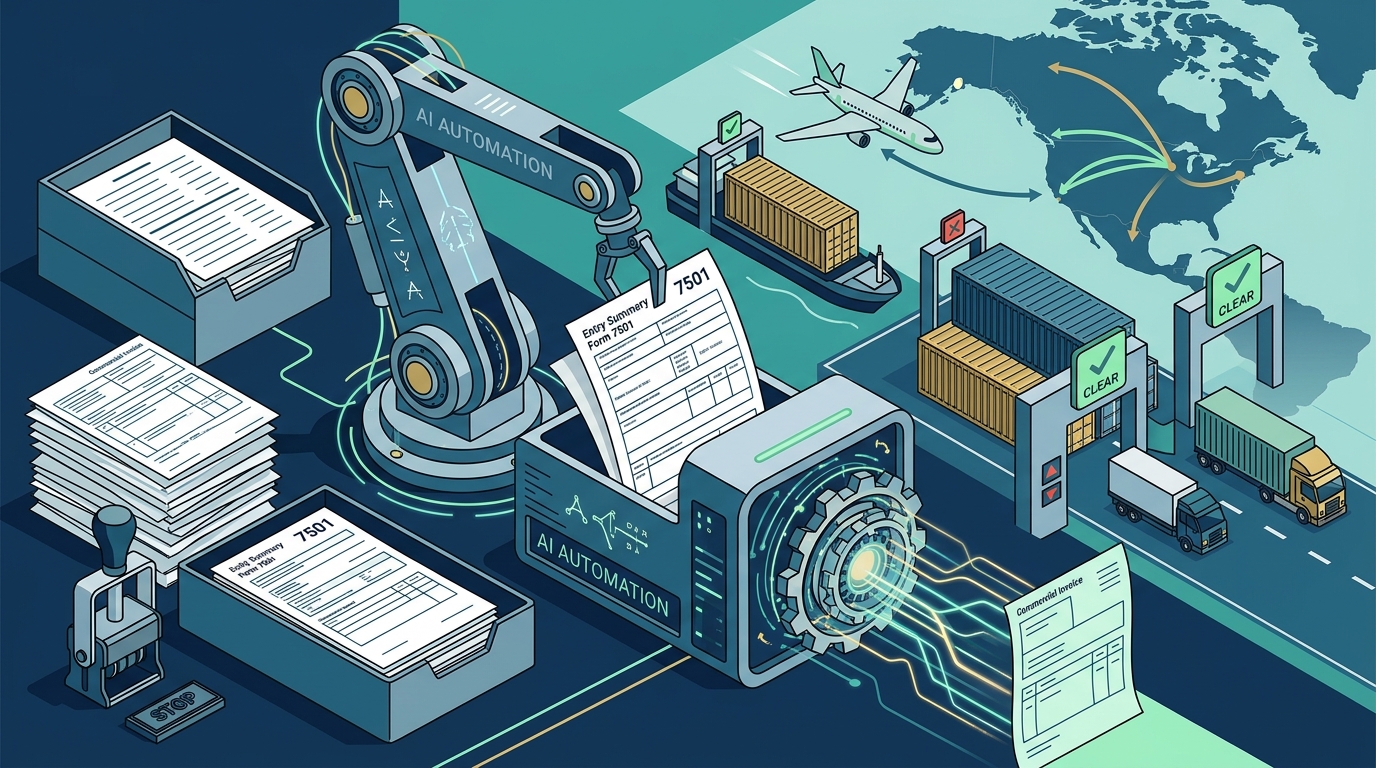
Artificial Intelligence (AI) in trade compliance refers to the use of machine learning algorithms to automate the classification, documentation, and risk assessment of imported goods. This technology processes vast amounts of regulatory data to provide accurate, instant results.
Automated Classification
AI tools analyze product descriptions, images, and technical specifications to suggest the correct HS code. This reduces the reliance on subjective human interpretation. The system learns from historical data and regulatory updates to improve accuracy over time.
Predictive Risk Assessment
Advanced platforms evaluate shipments against current trade policies, sanctions lists, and duty rates. This proactive approach identifies potential issues before they occur, allowing teams to resolve them in advance. Landed cost is the total price of a product once it has arrived at the buyer's door, including all duties and fees. AI calculates this in real-time, providing financial clarity.
Key Benefits of Automation
Transitioning to an AI-powered platform offers tangible operational and financial advantages. These benefits extend beyond simple time savings to strategic competitive positioning.
Speed and Efficiency
Automated systems process entries in seconds rather than days. This speed accelerates the release of goods, reducing demurrage and detention charges. Supply chains become more responsive to market demands.
Regulatory Compliance
AI platforms are continuously updated with the latest trade regulations. This ensures that every entry is compliant with current laws, minimizing the risk of audits and fines. Companies maintain a clean compliance record, which is essential for trusted trader programs.
Cost Reduction
By eliminating manual labor and reducing errors, businesses lower their overall compliance costs. Accurate duty calculations prevent overpayment and ensure that companies only pay what is legally required. This directly impacts the bottom line.
Manual vs. Automated Workflows
Understanding the differences between legacy methods and modern AI solutions helps clarify the value proposition. The table below outlines the key distinctions.
| Feature | Manual Process | AI-Powered Platform |
|---|---|---|
| Classification Speed | Hours to Days | Seconds |
| Error Rate | High (Human Fatigue) | Negligible (Automated Checks) |
| Data Visibility | Siloed and Static | Real-Time and Centralized |
| Regulatory Updates | Manual Monitoring | Automatic Integration |
| Integration | Manual Data Entry | Seamless ERP/API Connection |
Seamless ERP Integration
For maximum efficiency, customs automation must integrate directly with existing enterprise resource planning (ERP) systems. This eliminates the need for duplicate data entry and ensures that financial records are accurate.
API Connectivity
Modern platforms offer robust APIs that plug directly into systems like SAP, NetSuite, or custom software. This allows for automated tariff calculations and compliance checks within the purchasing workflow. Teams can make informed sourcing decisions based on real-time duty data.
Unified Data Ecosystem
Integration creates a single source of truth for all trade data. This facilitates better reporting, analytics, and audit trails. Compliance teams can focus on strategic initiatives rather than administrative tasks.
Key Takeaways
- Manual customs entry is prone to errors that cause costly delays and penalties.
- AI automation provides instant, accurate HS code classification and duty calculations.
- Real-time visibility into landed costs improves financial planning and cash flow.
- Seamless API integration ensures data flows smoothly between customs and ERP systems.
- Automated platforms stay updated with regulatory changes, reducing compliance risk.
- Speeding up customs clearance reduces demurrage and detention fees significantly.
- Importal offers a comprehensive suite of tools to modernize your trade compliance.
Frequently Asked Questions
How does AI improve customs classification accuracy?
AI analyzes product data against vast databases of regulatory codes and historical classifications. It learns from patterns to suggest the most accurate HS codes, reducing human error and ensuring consistency across all shipments.
Can AI integration replace customs brokers entirely?
AI augments the work of customs brokers by handling routine data entry and classification. It allows brokers to focus on complex issues and strategic advice. The combination of technology and expert oversight provides the best results.
What is the ROI of automating customs entry?
ROI comes from reduced labor costs, fewer penalties, and lower duty overpayments. Faster clearance also reduces storage fees and improves inventory turnover. Many companies see a full return on investment within the first year.
How does Importal handle regulatory updates?
Importal continuously monitors global trade regulations and automatically updates its database. This ensures that all tariff calculations and compliance checks reflect the latest laws without manual intervention.
Is API integration difficult to implement?
No, modern platforms are designed for easy integration. Importal provides comprehensive API documentation and support to connect with your ERP or purchasing systems quickly. The process typically takes minutes to set up.
What types of businesses benefit most from AI customs tools?
Any business that imports goods regularly can benefit. This includes retailers, manufacturers, and distributors. Companies with high shipment volumes or complex supply chains see the greatest efficiency gains.
How does AI predict potential compliance risks?
AI evaluates shipments against current sanctions lists, duty rates, and regulatory requirements. It flags potential issues before submission, allowing teams to resolve them proactively and avoid customs holds.
Next Steps
Stop letting outdated processes slow down your global trade operations. Transition to a smarter, more predictable way of importing with Importal. Our AI-powered platform combines advanced technology with expert brokerage to ensure your shipments clear customs smoothly and efficiently. Visit Importal today to see how we can transform your compliance workflow. Book a demo to experience the power of automated trade compliance firsthand.