

How do I automate import documentation and customs paperwork?
Global trade volumes are expanding rapidly, yet manual data entry remains a critical bottleneck for supply chain efficiency. According to recent trade data, businesses that fail to digitize their customs workflows often face delays that cost thousands of dollars per shipment in demurrage and storage fees. Automating import documentation is no longer a luxury for large enterprises. It is a necessity for any company that wants to maintain competitive landed costs and ensure regulatory compliance. (About Us mdash Importal)
Why Manual Documentation Fails
Traditional import processes rely heavily on spreadsheets, email chains, and PDF attachments. This fragmented approach creates significant risks. When data is entered manually, the likelihood of human error increases dramatically. A single typo in a Harmonized System (HS) code can lead to incorrect duty calculations, customs holds, or even fines from regulatory bodies. (About Us mdash Importal)
Furthermore, manual processes lack real-time visibility. Importers often do not know the exact status of their paperwork until it is too late. This lack of transparency disrupts inventory planning and strains relationships with suppliers and carriers. The complexity of international trade regulations means that manual checks are rarely sufficient for high-volume operations. (Your AI Powered Trade)
Harmonized System is a standardized nomenclature used by customs authorities worldwide to classify traded products. Without accurate classification, automated duty calculations are impossible. This is why the first step in automation is ensuring your product data is structured and standardized before it enters your workflow. (Importal Your AI Powered)
Core Components of Automation
To successfully automate import documentation, you need a platform that connects data sources with regulatory requirements. The foundation of this automation is a centralized duty calculator. This tool allows you to input product details and instantly receive accurate tariff rates, taxes, and compliance requirements for the destination country. (Set Up API mdash)
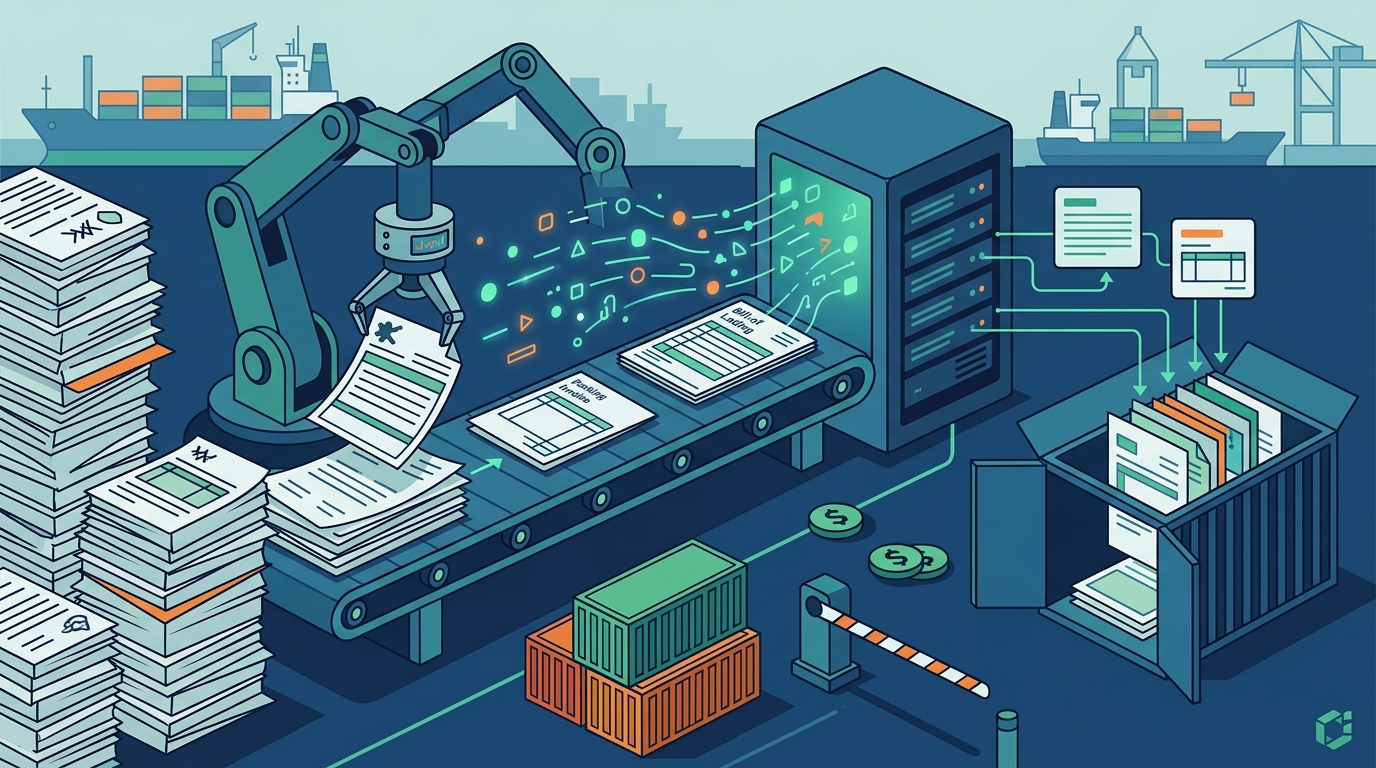
Another critical component is the electronic filing system. Modern platforms enable the direct submission of export documentation and import declarations to customs authorities. This eliminates the need for physical paperwork and reduces processing times from days to hours. The system should also handle the generation of commercial invoices, packing lists, and certificates of origin automatically.
Duty Calculator Pro is a specialized tool designed to provide precise tariff calculations for imported goods. By using such a tool, businesses can predict landed costs accurately before the goods even leave the origin country. This predictive capability is essential for budgeting and pricing strategies.
Integrating with Your ERP
Automation is only effective if it integrates seamlessly with your existing technology stack. Most businesses use Enterprise Resource Planning (ERP) systems like SAP, NetSuite, or Oracle to manage their operations. Importal's API plugs directly into these systems to automate tariff calculations and compliance checks in real-time.
When your ERP is connected to an automation platform, product data flows automatically. This means that when a purchase order is created, the system can simultaneously trigger a compliance check. If the product requires a specific license or has restricted status, the system flags it immediately. This prevents costly surprises at the border.
Stream tariff and classification updates into your workflow automatically. Importal's API delivers live tariff data, product classifications, and duty logic directly into your existing tech stack. No manual updates, no missed policy changes. Build smarter sourcing workflows, automate landed cost calculations, and keep compliance fully integrated into your operations.
Connect Importal’s API to your ERP or finance tools in minutes. Whether you manage orders in SAP, NetSuite, or custom software, the integration ensures that your financial teams have accurate cost data for every transaction. This reduces the workload on your finance department and improves the accuracy of your general ledger.
Automating HS Code Classification
One of the most time-consuming aspects of import documentation is determining the correct HS code for each product. Manual classification requires deep expertise in international trade law. However, AI-driven classification tools can analyze product descriptions and specifications to suggest the most accurate codes.
These tools use machine learning algorithms trained on historical customs data and regulatory updates. They continuously learn from new rulings and changes in trade policy. This ensures that your classifications remain accurate even as regulations evolve. For example, changes in tariff rates due to trade agreements are automatically reflected in the system.
Product Library is a comprehensive database that stores and manages product classifications for importers. By maintaining a centralized library, businesses can ensure consistency across all shipments. This reduces the risk of discrepancies between different departments or third-party brokers.
The Role of Digital Brokerage
Automation does not replace the need for expert guidance. Instead, it enhances the capabilities of licensed customs brokers. Digital brokerage platforms combine automated tools with human expertise to provide a complete solution. This hybrid approach ensures that complex cases are handled correctly while routine shipments are processed efficiently.
Importal removes complexity at every stage of importing, customs, and tariffs. By combining automated compliance tools with licensed customs brokerage, we make importing clear, predictable, and stress-free from origin to delivery. This includes filing export documentation in the country of origin and managing customs clearance upon arrival.
Customs Clearance is the process of getting approval from customs authorities to release imported goods. Digital platforms streamline this process by pre-clearing documentation and ensuring all requirements are met before the goods arrive. This significantly reduces the time goods spend in customs warehouses.
Platform Comparison
Choosing the right automation platform depends on your specific business needs. Below is a comparison of key features offered by leading solutions in the trade compliance space.
| Feature | Importal.ai | Traditional Brokerage | Generic ERP Modules |
|---|---|---|---|
| Real-time Tariff Updates | Yes | No | Limited |
| API Integration | Full Access | Manual Upload | Depends on Vendor |
| AI Classification | Yes | No | No |
| Customs Filing | Automated | Manual | Not Included |
As shown in the table, platforms like Importal offer significant advantages in terms of speed and accuracy. Traditional brokerage methods are often too slow for modern supply chains. Generic ERP modules lack the specialized trade compliance features required for international trade.
Key Takeaways
- Manual documentation leads to higher costs and compliance risks.
- API integration allows for seamless data flow between ERP and compliance tools.
- AI-driven classification reduces errors in HS code assignment.
- Digital brokerage combines automation with expert oversight.
- Real-time tariff updates are essential for accurate landed cost calculations.
- Centralized product libraries ensure consistency across shipments.
- Importal provides a comprehensive suite of tools for US import compliance.
Frequently Asked Questions
What is the best way to automate customs paperwork?
The most effective method is to use an API-connected platform that integrates with your ERP system. This allows for automatic data transfer and real-time compliance checks.
How does AI help with import documentation?
AI assists by automatically classifying products into the correct HS codes and predicting potential compliance issues before they occur.
Can I automate customs clearance for all shipments?
While many shipments can be fully automated, complex cases may still require human review by a licensed customs broker.
What is Importal's Duty Calculator Pro?
Duty Calculator Pro is a tool that provides precise tariff calculations for imported goods, helping businesses predict landed costs accurately.
How do I set up API integrations for import automation?
You can request access to Importal's API through their developer portal. The integration typically takes minutes to configure with major ERP systems.
What are the benefits of digital customs brokerage?
Digital brokerage offers faster processing times, greater transparency, and lower costs compared to traditional manual brokerage services.
Is import documentation automation secure?
Yes, reputable platforms use enterprise-grade security protocols to protect sensitive trade data and ensure compliance with data privacy regulations.
Start Automating Today
Stop letting manual processes slow down your global supply chain. Automate your import documentation and customs paperwork with Importal. Our AI-powered platform and Customs brokerage expertise make importing clear, predictable, and stress-free. Book a Demo to see how we can transform your trade compliance workflow.