

How to Compare Duties and Tariffs Across Countries Before Sourcing
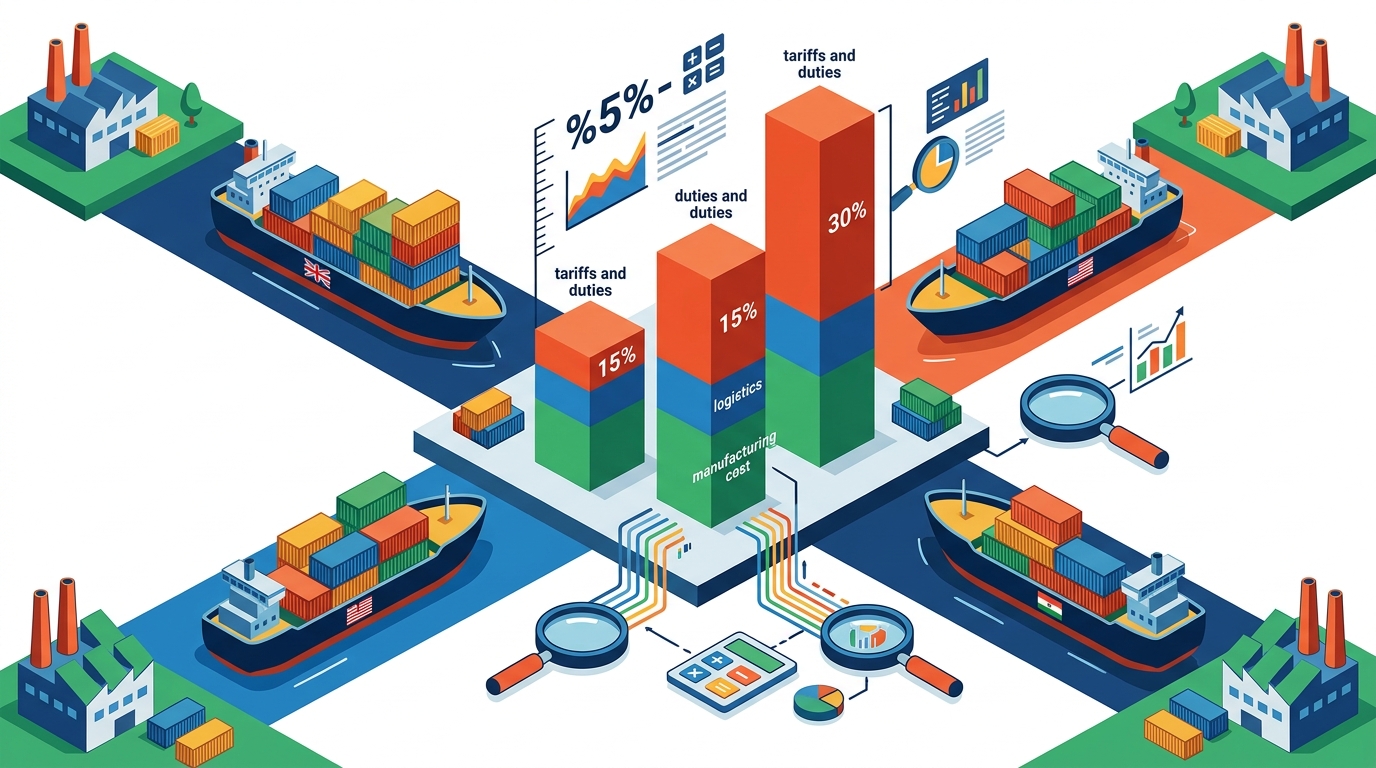
Global supply chains are no longer just about finding the lowest manufacturing cost. They are about finding the lowest landed cost. According to recent trade compliance data, tariffs and duties can add 15 to 30 percent to the final price of imported goods, fundamentally altering profit margins. Ignoring these variables during the sourcing phase is a critical error that leads to unexpected cash flow gaps and compliance penalties. This guide explains how to accurately compare duties and tariffs across different countries to make informed sourcing decisions. (About Us mdash Importal)
Understanding the Basics of Tariff Classification
Before you can compare costs, you must understand the language of trade. The foundation of every duty calculation is the Harmonized Tariff Schedule (HTS). HTS is a standardized system of names and numbers used to classify traded products. Without an accurate HTS code, any duty estimate is merely a guess.
HTS is a hierarchical system. The first two digits identify the chapter, the next two the heading, and the subsequent digits provide specific product details. For example, a cotton t-shirt and a synthetic t-shirt fall under different headings, triggering different duty rates. Misclassification is the leading cause of customs delays and fines. Importal removes this complexity by providing automated tariff calculations that identify the correct code instantly.
Another critical concept is the Country of Origin. This is not necessarily where the product was shipped from, but where it was substantially transformed. Rules of origin vary by trade agreement and product type. Determining the correct origin is essential for applying preferential duty rates or avoiding anti-dumping duties.
The Importal Advantage in Tariff Intelligence
Traditional methods of comparing tariffs involve manual lookups in government databases, which are often outdated or difficult to navigate. Importal offers a smarter way to import into the U.S. by combining AI-powered technology with licensed customs brokerage expertise.
Our platform provides a clear view of every requirement before you ship. By using our Duty Calculator Pro, you can input your product details and instantly see the exact tariffs and duties for different countries of origin. This tool eliminates the guesswork and provides predictable costs.
Importal also offers a Country Comparison feature. This allows you to side-by-side analyze the total landed cost, including duties, taxes, and fees, for multiple sourcing locations. This direct comparison is vital for strategic sourcing decisions.
Furthermore, Importal is a member of the American International Freight Brokers Association (AIFBA) and holds a Licensed US Customs Brokerage status. This ensures that the data you receive is not just theoretical but backed by real-world operational expertise.
Step-by-Step Comparison Methodology
Comparing duties and tariffs requires a structured approach. Follow these steps to ensure accuracy and completeness in your analysis.
Step 1: Define Your Product Specifications
Begin by gathering detailed product specifications. This includes materials, components, manufacturing processes, and intended use. The more specific you are, the more accurate your HTS classification will be. Use our Duty Calculator Pro to test different classifications and see how they affect the final duty rate.
Step 2: Identify Potential Sourcing Countries
List all potential countries for sourcing. Consider factors like labor costs, lead times, and political stability. However, do not overlook the tariff implications. A country with lower labor costs might have significantly higher tariffs, negating the savings.
Step 3: Calculate Landed Costs
Landed cost is the total price of a product once it has arrived at the buyer's door. It includes the product cost, shipping, insurance, and all duties and taxes. Use Importal's tools to calculate the exact duties for each country. Remember to include any additional fees, such as customs brokerage fees or port charges.
Step 4: Analyze Trade Agreements
Check if any Free Trade Agreements (FTAs) apply to your product and sourcing countries. FTAs can reduce or eliminate duties. For example, products from certain countries may qualify for duty-free entry under specific conditions. Importal's Knowledge Hub provides updates on trade agreements and regulatory changes.
Step 5: Review Compliance Requirements
Different countries have different compliance requirements. Some may require specific labeling, certifications, or permits. Failure to meet these requirements can result in delays or seizure of goods. Importal helps you identify required import licenses and compliance terms for each country.
Leveraging Free Trade Agreements
Free Trade Agreements (FTAs) are powerful tools for reducing tariffs. These agreements are treaties between two or more countries designed to reduce or eliminate barriers to trade, such as tariffs and quotas. By understanding and utilizing FTAs, you can significantly lower your landed costs.
For instance, the United States-Mexico-Canada Agreement (USMCA) has replaced NAFTA and offers new opportunities for duty reduction. Similarly, the Generalized System of Preferences (GSP) allows products from designated beneficiary countries to enter the U.S. duty-free. However, GSP benefits can be withdrawn or modified, so staying informed is crucial.
Importal's Global Trade Signals provides timely coverage of tariff changes, trade agreements, and enforcement trends. This ensures that your sourcing strategy remains compliant and cost-effective.
Automating Compliance with API Integration
For businesses with high volumes of imports, manual comparison is inefficient and prone to error. Importal's API allows you to plug live tariff intelligence directly into your ERP, purchasing system, or custom tools. This automation ensures that your duty calculations are always up-to-date and accurate.
With Importal's API, you can automate landed cost calculations as purchase orders are created. You can also sync product classifications to keep HTS codes and PGA requirements aligned across your internal systems. This integration streamlines sourcing and compliance workflows, saving time and reducing risk.
Our API covers over 20,000 codes, encompassing the entire HTS book. This comprehensive coverage ensures that you have the data you need, no matter what you import. In 2025, Importal helped importers save over $350,000 in duties and tariffs through accurate classification and compliance.
Key Takeaways
- Accurate Classification is Critical: The HTS code determines your duty rate. Misclassification leads to penalties and delays.
- Landed Cost is the True Metric: Compare total costs, including duties, shipping, and fees, not just the product price.
- Leverage Trade Agreements: FTAs can significantly reduce or eliminate duties. Stay informed about changes.
- Use Technology: Tools like Importal's Duty Calculator Pro and API provide real-time, accurate tariff data.
- Compliance is Non-Negotiable: Ensure all import licenses and documentation requirements are met for each country.
- Partner with Experts: Working with a licensed customs brokerage like Importal ensures compliance and efficiency.
- Monitor Regulatory Updates: Trade policies change frequently. Regular monitoring is essential for ongoing compliance.
Frequently Asked Questions
How do I find the correct HTS code for my product?
You can find the correct HTS code by using Importal's Duty Calculator Pro. Our AI-powered tool analyzes your product specifications and matches them to the most accurate HTS code in the database.
What is the difference between a tariff and a duty?
While often used interchangeably, a tariff is the schedule of duties imposed on imported goods, while a duty is the actual tax paid. Importal calculates both to give you a complete picture of your costs.
Can I avoid paying duties on imported goods?
You may be able to reduce or eliminate duties by utilizing Free Trade Agreements, duty drawback programs, or specific import exemptions. Importal's experts can help you identify these opportunities.
How often do tariff rates change?
Tariff rates can change frequently due to trade agreements, political decisions, and economic conditions. Importal's API provides real-time updates to ensure your calculations are always current.
What is the benefit of using Importal's API?
Importal's API integrates live tariff data directly into your business systems, automating compliance checks and landed cost calculations. This saves time and reduces the risk of errors.
Does Importal offer customs brokerage services?
Yes, Importal is a licensed US Customs Brokerage. We provide full customs clearance services, ensuring your goods move through customs smoothly and compliantly.
How can I stay updated on trade compliance regulations?
Subscribe to Importal's Global Trade Signals for timely coverage of tariff changes, trade agreements, and enforcement trends.
Start Comparing Duties Today
Stop guessing your landed costs and start making informed sourcing decisions. Importal provides the tools and expertise you need to navigate the complex world of international trade. Sign up for a free trial today and see how Importal can help you save money and ensure compliance.