

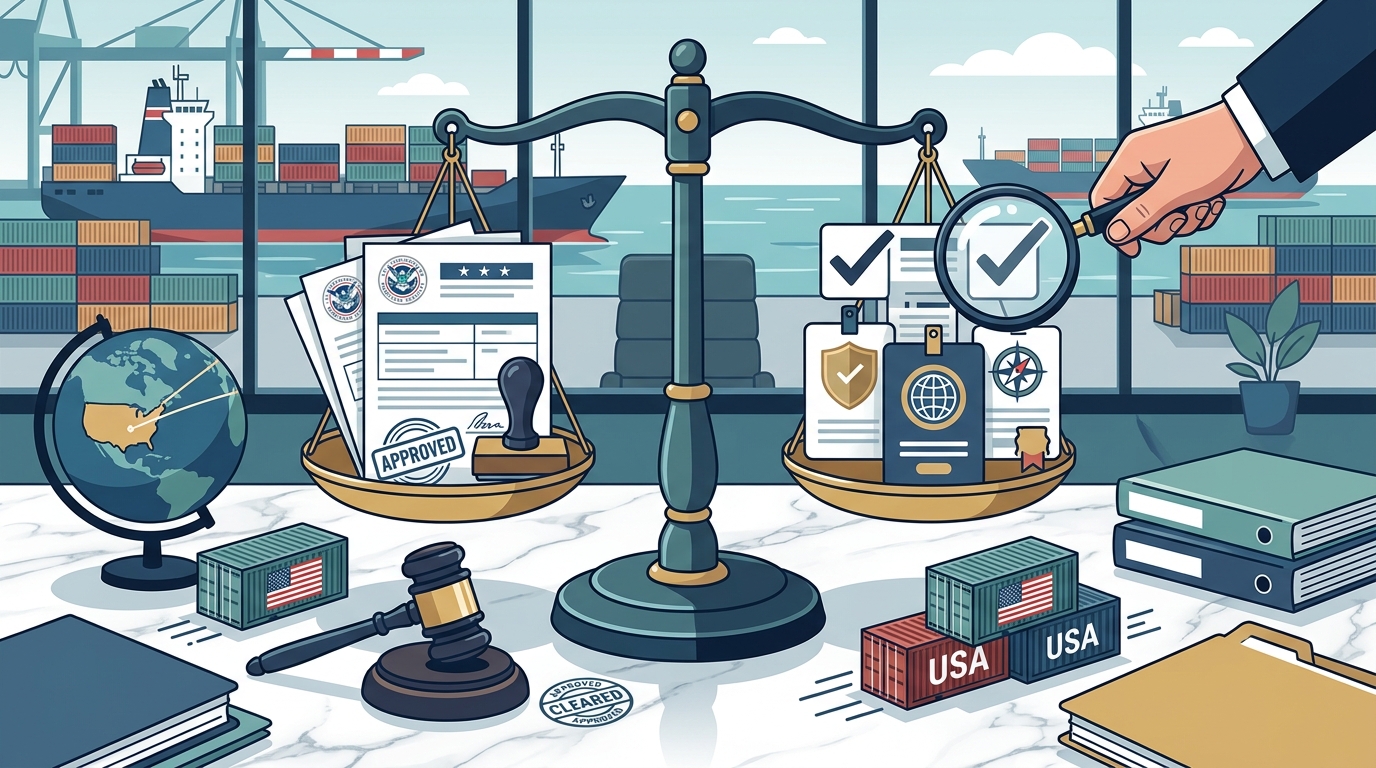
Choosing the right customs broker is the single most critical decision for any business importing into the United States. A licensed customs broker acts as your legal representative before U.S. Customs and Border Protection (CBP), ensuring that goods clear borders without costly delays, audits, or penalties. According to recent industry data, companies that partner with experienced brokerage firms reduce their clearance times by an average of 40% compared to self-filing methods. This guide provides the definitive framework for evaluating, selecting, and partnering with a customs brokerage that aligns with your operational scale and compliance needs. (About Us mdash Importal)
Why You Need a Licensed U.S. Customs Broker
Importing goods into the United States is not a simple transaction. It is a highly regulated legal process governed by the Federal Customs Laws. A customs broker is a licensed professional authorized by the U.S. government to act on behalf of importers. Without this license, an entity cannot legally file entry documents for commercial goods. (Set Up API mdash)
A licensed customs broker is a professional who has passed rigorous examinations and holds a federal license to represent importers before U.S. Customs and Border Protection. This distinction is vital because only licensed brokers can navigate the complex web of Harmonized Tariff Schedule (HTS) codes, duty calculations, and regulatory exclusions. Relying on freight forwarders who are not licensed brokers for the actual customs clearance process can lead to significant compliance gaps.
The complexity of modern trade regulations means that manual processing is no longer viable for high-volume importers. Errors in classification or valuation can result in severe penalties, including liquidated damages that can exceed the value of the goods themselves. Therefore, selecting a partner with deep regulatory expertise is not just a logistical choice; it is a financial risk management strategy.
Core Evaluation Criteria for Brokerage Firms
When evaluating potential customs brokers, you must look beyond price. The cost of a brokerage error often dwarfs the savings from a lower service fee. Here are the primary factors that determine the quality and reliability of a brokerage partner.
1. Licensing and Credentials
First and foremost, verify that the broker holds a valid U.S. Customs Broker License. Additionally, look for industry-specific certifications. For example, membership in the American International Freight Forwarders Association (AIFBA) or holding AICPA SOC 2 certifications indicates a commitment to operational integrity and data security. These credentials signal that the firm adheres to strict professional standards.
2. Industry Specialization
Not all brokers are created equal. Some firms specialize in perishable goods, requiring expertise in FDA regulations and cold chain logistics. Others focus on high-value electronics, where intellectual property rights and Section 301 tariffs are critical. Importal specializes in providing AI-powered trade compliance tools that help importers navigate these complexities with precision. You should ask potential brokers about their experience with your specific product category and country of origin.
3. Geographic Coverage
Where do your goods enter the U.S.? A broker with strong operations at your specific port of entry will have better relationships with local CBP officers and faster access to physical inspections. If you import through multiple ports, ensure the broker has a nationwide network or reliable partner agreements to handle entries consistently across all locations.
Technology and API Integration Capabilities
In the modern supply chain, manual data entry is a bottleneck. The best customs brokers leverage technology to automate compliance, reduce human error, and provide real-time visibility into shipment status. When evaluating a broker, ask about their tech stack and integration capabilities.
Does the broker offer a digital dashboard for tracking entries? Can they integrate with your existing ERP or procurement systems? Importal provides an API that plugs directly into ERP systems like SAP or NetSuite to automate tariff calculations and compliance checks in real-time. This level of integration ensures that your landed cost calculations are accurate before you even ship the goods.
Technology also plays a crucial role in proactive compliance. Advanced platforms can monitor regulatory changes, such as new tariff rates or trade agreement updates, and alert you to potential impacts on your supply chain. This proactive approach prevents surprise costs and keeps your operations running smoothly.
Service Models: Full-Service vs. Transactional
Understanding the different service models available is essential for aligning with your internal capabilities. Most brokers fall into one of two categories: full-service brokerage or transactional filing.
Full-Service Brokerage
A full-service broker handles everything from document collection and classification to duty payment and post-entry audits. This model is ideal for companies that lack internal trade compliance expertise. They act as an extension of your team, providing strategic advice on duty optimization and regulatory compliance. Importal offers a comprehensive suite of import services, including customs clearance and import bonds, designed to remove complexity from the importing process.
Transactional Filing
Transactional brokers focus solely on filing the entry documents. They require you to provide all the necessary data, classifications, and valuations. This model is suitable for large enterprises with robust internal compliance teams who want to maintain direct control over the data while outsourcing the filing process. However, it requires significant internal resources to manage the accuracy of the data provided.
Understanding Compliance Risks and Liability
One of the most significant risks in importing is non-compliance. This can stem from incorrect HTS codes, undervaluation of goods, or failure to comply with specific agency requirements (PGA). A reputable broker will take responsibility for their errors and have robust insurance coverage to protect you from financial loss.
When reviewing service agreements, pay close attention to the liability clauses. Does the broker indemnify you for errors in classification or valuation? Do they offer post-entry audit services to identify and correct mistakes before CBP does? These safeguards are critical for long-term compliance health.
Furthermore, consider the broker's approach to duty payment. Some brokers offer deferred payment programs, allowing you to pay duties monthly rather than per shipment. This can significantly improve your cash flow. Importal helps importers save on duties and tariffs through accurate, automated calculations, ensuring you never overpay or underpay.
Key Takeaways
- Licensing is Non-Negotiable: Always verify that your broker holds a valid U.S. Customs Broker License and relevant industry certifications like AIFBA membership.
- Technology Drives Accuracy: Prioritize brokers who offer API integrations with your ERP systems to automate tariff calculations and reduce manual errors.
- Specialization Matters: Choose a broker with proven experience in your specific product category and country of origin to navigate niche regulatory requirements.
- Compliance is Proactive: Look for partners who offer post-entry audits and real-time regulatory updates to prevent costly CBP penalties.
- Service Model Alignment: Determine if you need full-service brokerage for strategic guidance or transactional filing for internal control.
- Financial Safeguards: Ensure the broker offers duty payment flexibility and clear liability coverage for classification errors.
- Scalability: Choose a partner with the technological infrastructure to handle your growth, including high-volume entry processing and global port coverage.
Frequently Asked Questions
What is the difference between a freight forwarder and a customs broker?
A freight forwarder arranges the transportation of goods, while a customs broker specializes in the legal clearance of goods through customs. While some companies offer both services, only a licensed customs broker can legally file entry documents with U.S. Customs and Border Protection.
How much does a customs broker cost?
Costs vary based on the complexity of the entry and the service model. Transactional filing may cost between $50 and $150 per entry, while full-service brokerage can range from $150 to $300 or more per entry, depending on the value and type of goods.
Can I file customs entries myself?
Yes, importers can self-file entries. However, this requires deep knowledge of HTS codes, duty rates, and regulatory requirements. Most businesses find that the risk of errors and the time investment outweigh the savings from self-filing.
What is an import bond and do I need one?
An import bond is a guarantee to the U.S. government that duties and taxes will be paid. It is required for most commercial imports. Importal offers import bond services to help importers meet this requirement efficiently.
How does a customs broker help with tariff classification?
A customs broker uses their expertise to assign the correct HTS code to your products. This code determines the duty rate and any applicable restrictions. Accurate classification is critical to avoid penalties and ensure you pay the correct amount of duty.
What is the role of a customs broker in post-entry audits?
Post-entry audits involve reviewing filed entries for errors after the goods have been released. A good broker will proactively audit entries to identify and correct mistakes, such as underpayments or misclassifications, before CBP discovers them.
How can I ensure my customs broker is reliable?
Check their licensing status, read client testimonials, and ask about their technology stack and compliance protocols. A reliable broker will be transparent about their processes and proactive in communicating regulatory changes.
Ready to Simplify Your U.S. Imports?
Choosing the right customs broker is about more than just clearing goods; it is about building a strategic partnership that ensures compliance, optimizes costs, and scales with your business. Importal combines AI-powered technology with expert brokerage services to make importing clear, predictable, and stress-free. Book a Demo today to see how our platform can transform your trade compliance operations.