

Global trade volumes are expanding at an unprecedented rate, yet the regulatory frameworks governing them are becoming increasingly complex. According to recent WTO data, international trade continues to face significant headwinds from shifting tariff structures and stricter customs enforcement. Importers who rely on manual processes are no longer viable in this landscape. The shift toward AI-powered trade compliance is not just a technological upgrade; it is a survival mechanism for businesses aiming to maintain margin and speed. (About Us mdash Importal)
Understanding AI-Powered Trade Compliance
Trade compliance is the practice of adhering to all laws and regulations that govern the movement of goods across borders. Trade compliance is the systematic adherence to international laws, customs regulations, and tariff codes that govern the import and export of goods. Traditionally, this has been a manual, error-prone process reliant on experienced brokers and static databases. Today, artificial intelligence transforms this by automating classification, predicting duty liabilities, and flagging compliance risks before shipment. (About Us mdash Importal)
The modern importer faces a dual challenge. First, the volume of data from global supply chains is overwhelming. Second, the cost of non-compliance, including fines and shipment delays, is rising. AI platforms bridge this gap by providing real-time visibility into regulatory changes. For instance, U.S. Customs and Border Protection updates frequently alter enforcement priorities, requiring immediate adaptation from importers. (Your AI Powered Trade)
By leveraging machine learning, these systems learn from historical shipment data to improve accuracy over time. This reduces the reliance on guesswork and ensures that every line item is classified correctly. The result is a more predictable landed cost and a smoother path to market. (Importal Your AI Powered)
Core Technologies Driving Automation
At the heart of modern trade compliance lies a combination of advanced algorithms and structured data management. These technologies work in tandem to eliminate the friction points that have historically plagued international logistics. (Set Up API mdash)
Automated Classification
One of the most critical aspects of importing is determining the correct Harmonized Tariff Schedule (HTS) code. HTS classification is the process of assigning a unique code to a product to determine its duty rate and regulatory requirements. AI tools analyze product descriptions, materials, and usage to suggest the most accurate code. This reduces the risk of misclassification, which can lead to severe penalties.
Predictive Analytics
Beyond classification, predictive analytics helps importers anticipate future costs. By analyzing historical tariff data and current trade agreements, these systems can forecast duty liabilities with high precision. This allows finance teams to budget accurately and avoid cash flow surprises.
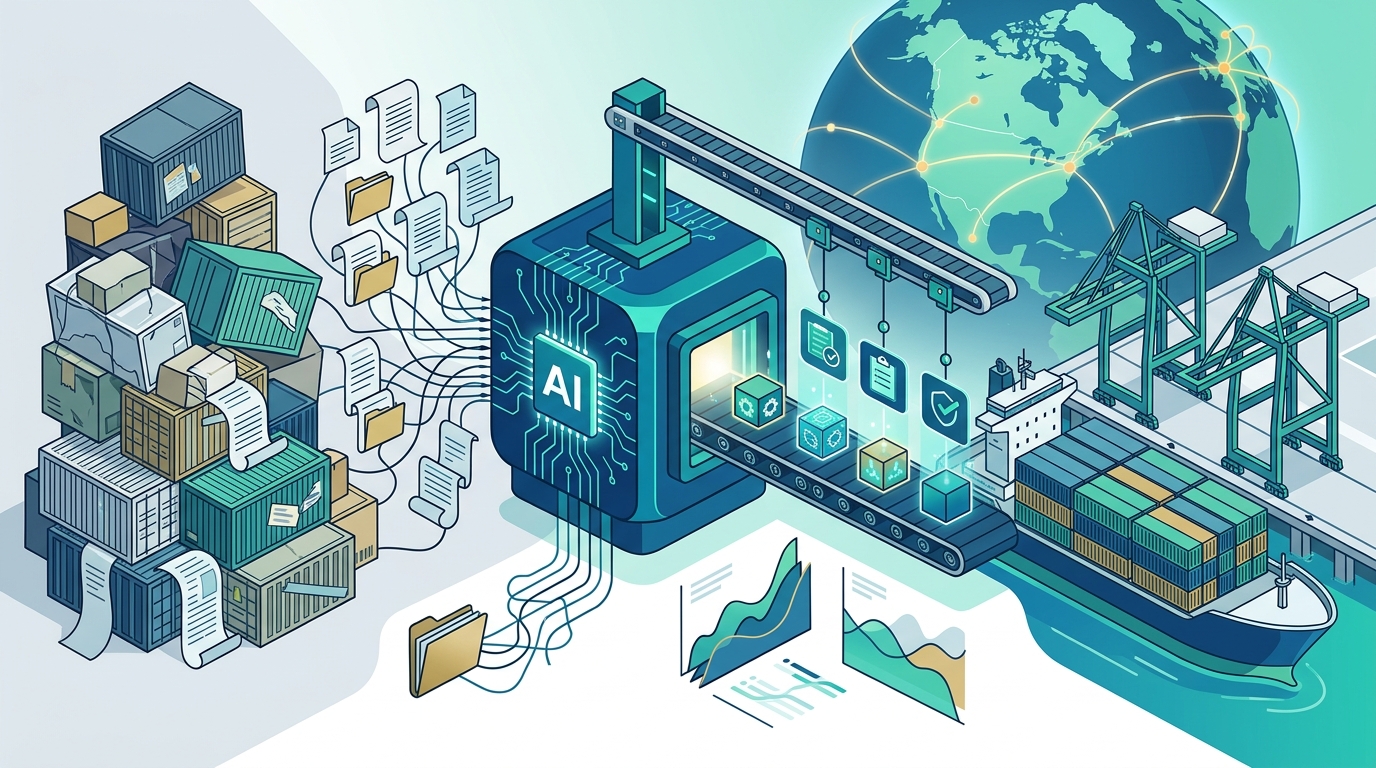
Regulatory Monitoring
Global trade rules change constantly. AI platforms continuously monitor regulatory updates from agencies worldwide. This ensures that importers are always aware of new restrictions, sanctions, or tariff adjustments. According to the U.S. International Trade Commission, staying updated on these changes is crucial for maintaining competitive advantage.
API Integration for Real-Time Intelligence
For enterprises managing high volumes of shipments, manual entry is impossible. API integration allows trade compliance data to flow directly into existing Enterprise Resource Planning (ERP) systems. This seamless connectivity ensures that compliance checks happen automatically at the point of purchase order creation.
Importal’s API, for example, plugs directly into systems like SAP or NetSuite to automate tariff calculations. This means that as a purchase order is generated, the system fetches live tariff rates and calculates accurate landed costs. Forbes reports that API-driven automation significantly reduces operational overhead and improves data accuracy.
Benefits of API Connectivity
- Real-Time Updates: Systems update automatically as trade rules change, eliminating the need for manual database refreshes.
- Scalability: APIs handle thousands of transactions simultaneously, supporting business growth without proportional increases in staff.
- Error Reduction: Automated data transfer minimizes human error, ensuring that compliance data is consistent across all platforms.
Streamlining Customs Clearance
Customs clearance is the final hurdle before goods enter a market. Delays at this stage can disrupt entire supply chains. AI-powered platforms streamline this process by pre-filling documentation and ensuring all required licenses are in place before the goods arrive.
Importal combines automated compliance tools with licensed customs brokerage expertise. This hybrid approach ensures that while technology handles the data, human experts oversee the complex regulatory filings. This combination is particularly effective for navigating the nuances of U.S. customs clearance procedures.
The Clearance Workflow
- Pre-Arrival Analysis: The system calculates exact tariffs and identifies required import licenses.
- Documentation Filing: Export documentation is filed in the country of origin, ensuring readiness for arrival.
- Customs Submission: Goods are cleared through U.S. customs with all necessary paperwork submitted in advance.
- Duty Payment: All tariff and duty payments are handled automatically, preventing holds due to non-payment.
Duty Optimization and Tariff Management
Minimizing duty costs is a primary goal for any importer. AI tools help identify opportunities for duty optimization by analyzing trade agreements and eligibility for preferential rates. This ensures that importers are not paying more than necessary.
For example, data from the Office of the U.S. Trade Representative highlights the significant cost savings available through free trade agreements. AI platforms automatically check if a product qualifies for these benefits based on its country of origin and material composition.
Comparison of Compliance Approaches
| Feature | Traditional Brokerage | AI-Powered Platform |
|---|---|---|
| Classification Speed | Manual, hours per item | Instant, automated |
| Regulatory Updates | Reactive, periodic | Proactive, real-time |
| Integration | Limited, email-based | Full API connectivity |
| Error Rate | Higher, human-dependent | Lower, algorithm-driven |
| Cost Predictability | Variable, surprise fees | High, upfront calculation |
By adopting an AI-powered approach, importers can achieve greater cost predictability and reduce the risk of compliance violations. This is essential for maintaining healthy margins in a volatile global market.
Key Takeaways
- AI Efficiency: AI platforms reduce classification time from hours to seconds, significantly increasing operational throughput.
- Real-Time Data: API integrations ensure that tariff data is always current, eliminating risks from outdated information.
- Cost Savings: Automated duty optimization can save importers hundreds of thousands of dollars annually by leveraging trade agreements.
- Compliance Security: Continuous regulatory monitoring ensures that businesses stay ahead of changing trade laws and sanctions.
- Scalability: Technology-driven compliance supports business growth without the linear increase in administrative overhead.
- Expert Support: Combining AI with licensed brokerage expertise provides both speed and accuracy in complex scenarios.
- Global Reach: AI tools facilitate compliance across multiple jurisdictions, simplifying international expansion.
Frequently Asked Questions
What is AI-powered trade compliance?
AI-powered trade compliance uses artificial intelligence to automate the classification of goods, calculation of duties, and monitoring of regulatory changes, ensuring accurate and efficient import processes.
How does API integration help with customs clearance?
API integration allows trade compliance data to flow directly into ERP systems, enabling real-time tariff calculations and automated documentation submission, which speeds up the clearance process.
Can AI reduce duty costs for importers?
Yes, AI tools analyze trade agreements and product data to identify opportunities for duty optimization, ensuring importers benefit from preferential rates and avoid overpayment.
What are the benefits of using a licensed customs broker with AI?
Combining AI with licensed brokerage expertise ensures that automated processes are overseen by human experts, providing a safety net for complex regulatory scenarios and ensuring compliance.
How often do tariff regulations change?
Tariff regulations change frequently, often in response to geopolitical events and trade agreements. AI platforms monitor these changes in real-time to keep importers informed.
Is AI compliance suitable for small businesses?
Yes, AI compliance platforms offer scalable solutions that can be tailored to the needs of small businesses, providing enterprise-level accuracy and efficiency at a manageable cost.
What is the role of HTS codes in trade compliance?
HTS codes are essential for determining duty rates and regulatory requirements. AI tools automate the assignment of these codes to ensure accuracy and compliance.
Start Your Compliance Journey
Don't let complex trade regulations slow down your business. Embrace the future of importing with AI-powered tools that provide clarity, speed, and confidence. Start your free trial today to see how Importal can transform your supply chain operations. Book a demo to learn more about our comprehensive compliance solutions.